
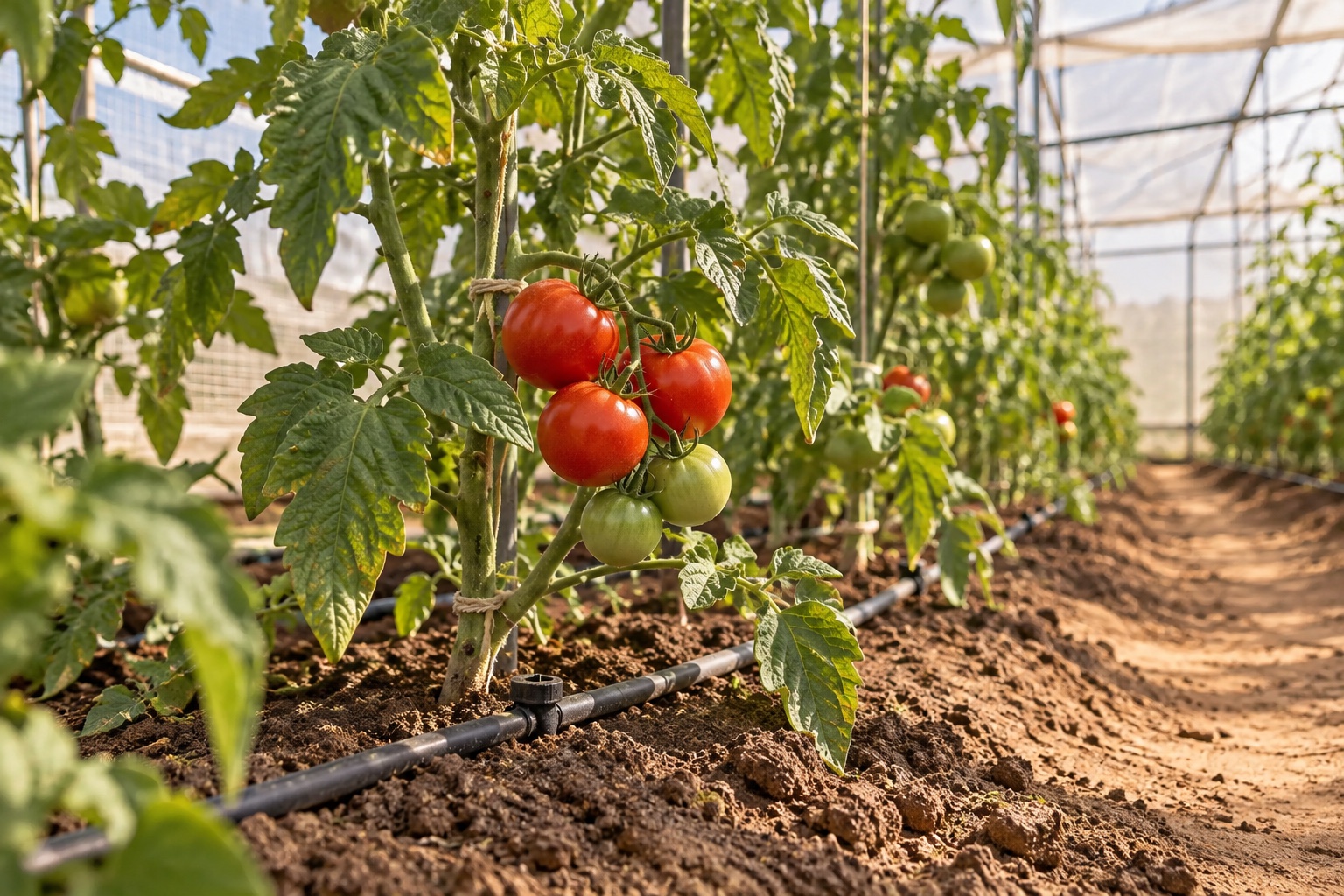
Abu Dhabi's food-security ambitions are being framed around a practical challenge: producing more while using resources more efficiently. In a World Food Day update dated 16 October 2026, the Abu Dhabi Agriculture and Food Safety Authority (ADAFSA) explained the measurable goals of its existing Agricultural Transformation Strategy for 2040.
Food production and water on the same scorecard
The strategy targets an increase in essential-food self-sufficiency from 30% to 70%. It also aims to reduce irrigation water consumption from 24,700 to 12,700 cubic metres per hectare, approximately 49%. These are the starting figures and intended destinations described by ADAFSA, rather than changes the update says have already happened.
The roadmap includes 13 flagship programmes across the agricultural value chain. Its ambitions also include advanced agricultural technology on 70% of operating farms and access to capital for 75% of farms.
The 16 October statement explains a strategy already in place; it does not announce that the 2040 targets have been reached. It supplies no measured progress against those targets.
A local plan within a wider food system
For historical national context, the UAE government's overview of the National Food Security Strategy 2051, updated on 30 December 2024, combines technology-enabled sustainable production and stronger local output with diversified international food sources and policies to reduce waste. Local production therefore sits alongside trade diversification in that framework. A self-sufficiency target should not be read as a plan to stop food imports.
There was a related global message on the same day. In its 16 October report from World Food Day in Rome, the UN Food and Agriculture Organization emphasised that innovation needs to reach farmers and suit local conditions. Its account stressed investment and partnerships, with solutions developed alongside the people who use them. That places attention on adoption and practical impact, beyond the invention of a new tool.
What readers can watch for next
The lasting value of these figures is that they give future reporting something specific to test. Useful follow-up would show how water use is measured, how many farms have adopted a technology, and whether financing reaches the growers it is meant to support. Production and resource figures need to be considered together when assessing progress.
For people interested in where their food comes from, this offers a more concrete question than whether farming is becoming innovative: what has changed in practice, and what evidence demonstrates it?
Editorial note
This original AI-assisted news perspective uses official sources checked on 17 October 2026. The greenhouse cover is an AI-generated editorial illustration, not a photograph of a named farm, programme site or achieved water saving.
A good read is worth sharing.
Pass this story on to someone who would enjoy it.


The conversation 0
A thought, a question, a little food for thought. Join in — no account needed.
Loading the conversation…
Be the first to add a thought.