
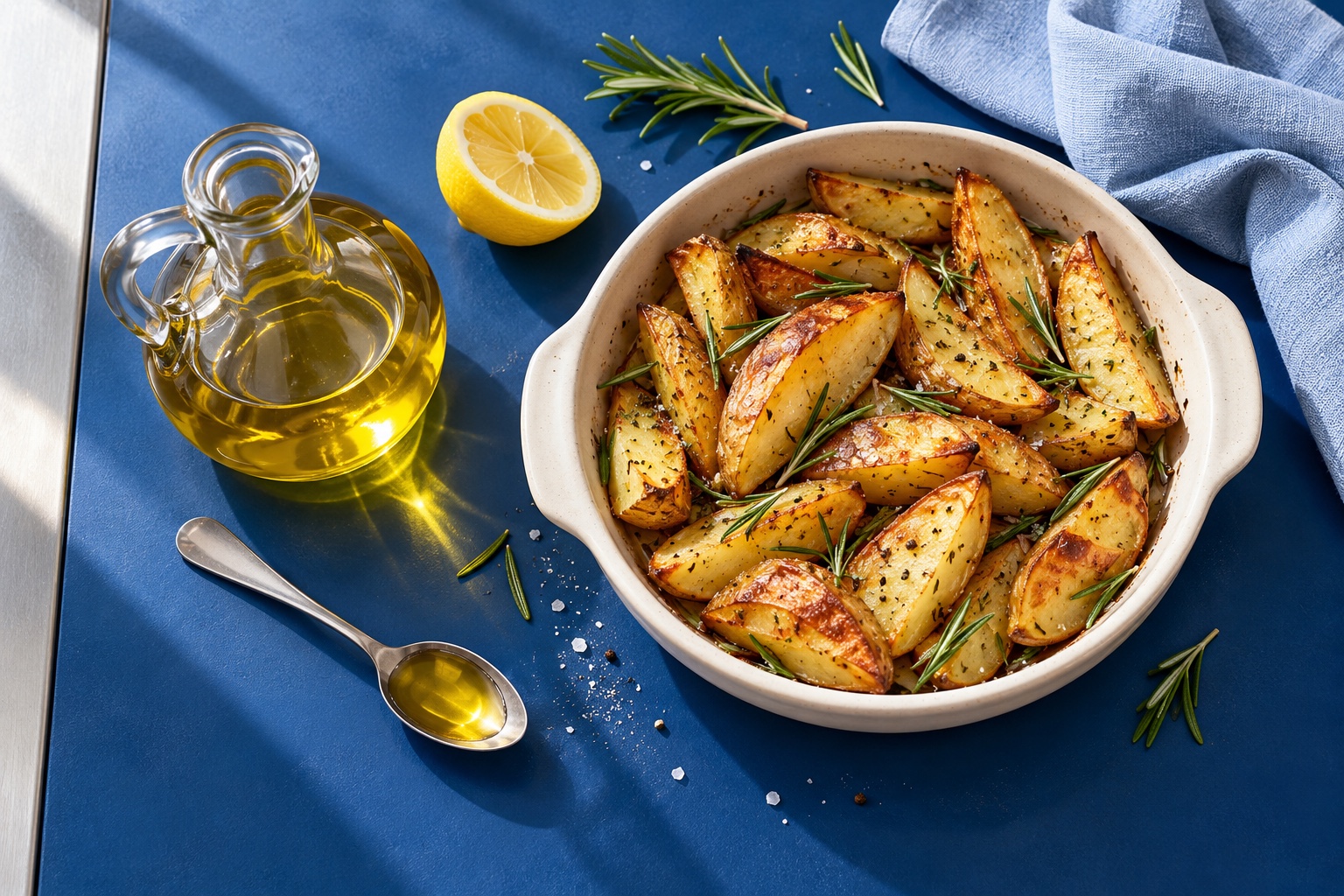
Before the vegetables reach the tray, there is a small kitchen decision: which bottle to reach for, and how much to pour. Olive oil, sunflower oil, butter and ghee bring different flavours and uses to the table. Choosing between them becomes easier when you start with the dish you want to eat.
For an everyday meal in the UAE, think about three things separately: the type of fat, its role in the recipe and the amount you use. A bottle does not need to promise a complete lifestyle change to earn its place beside the cooker.
Look beyond the name on the bottle
The NHS explanation of dietary fats notes that most fats and oils contain a mixture of saturated and unsaturated fats in different proportions. Fat also has useful roles in the body, including helping it absorb vitamins A, D and E. All types of fat are high in energy, so the amount still matters.
That mixture is more informative than a simple plant-versus-animal distinction. Coconut oil comes from a plant, but the NHS includes it among foods high in saturated fat, alongside butter and ghee. Olive and rapeseed oils are examples of oils rich in monounsaturated fat. The ingredient name is a starting point; the nutrition information adds detail.
Make a substitution with a purpose
In its healthy-diet guidance, the World Health Organization advises preferring unsaturated fats to saturated fats. Its practical suggestions include replacing butter, lard and ghee with oils rich in unsaturated fats, such as canola, sunflower or soybean oil. Canola is a type of rapeseed oil.
The useful word here is replacing. If a recipe normally uses a particular fat, consider a suitable alternative within that recipe. Adding another generous layer of oil to a finished meal is a different decision. Think about what the fat is doing: coating vegetables, carrying a seasoning or finishing a dressing.
Try the idea with a potato supper
Picture a tray of skin-on potato pieces, a bowl of chopped cucumber and tomato, and a serving of beans or another protein food you enjoy. The potatoes can take the centre of the plate without the oil becoming the main event.
The NHS guide to eating less saturated fat suggests cutting roast potatoes into larger pieces and using just a little sunflower or olive oil. It also recommends measuring oil with a teaspoon to help control the amount used.
For your own version, choose a roasting recipe you trust and follow its cooking instructions. Measure its oil before adding it, then toss the potato pieces in a bowl so you can see the coating. Add rosemary, ground cumin or another seasoning that fits the rest of dinner. Keep the lemon for the table, where each person can add the sharpness they like.
Give the salad a separate character: chopped parsley, lemon juice and a little of your chosen oil, mixed in a small bowl before dressing the vegetables. Taste a dressed spoonful before adding more to the whole bowl. The potato seasoning and the salad do not have to match exactly; contrast can make a familiar dinner more interesting.
This is a flexible meal sketch, not a nutritionally calculated recipe. A teaspoon is a measuring tool here, rather than a universal allowance for a meal or a day. Choose quantities that suit the recipe, household and individual dietary needs.
Compare like with like on the label
For the next shopping trip, the NHS recommends comparing saturated-fat information on similar products. Where both labels provide figures per 100g, use that same basis rather than comparing two different manufacturers' serving sizes. Then consider how much you expect to use.
Make the comparison manageable. Put two products intended for the same job side by side, read their ingredients and saturated-fat figures, then check their directions for use. Choose a pack size that fits your cooking habits. A bottle bought for one ambitious recipe is less useful than an ingredient you know how to work into regular meals.
Let flavour help with the decision
Try a small tasting exercise with your next salad: dress one spoonful, taste it, then decide whether the missing note is oil, lemon, herbs or seasoning. For a cooked dish, follow the recipe and the product's intended-use instructions. This approach leaves room for different cuisines and preferences without making one oil the answer to every kitchen task.
Keep one useful observation for next time: which dressing you enjoyed, how the vegetables were coated, or whether the pack size suited the week. Small, repeatable choices can make everyday cooking feel more deliberate and more enjoyable.
Sources and editorial note
This AI-assisted educational article draws on WHO and NHS guidance checked on 17 October 2026. Meal ideas are illustrative. The cover is an AI-generated editorial illustration, using all three HAS Meal homepage hero photographs as references for photographic quality; no specific venue or measured nutrient content is depicted.
A good read is worth sharing.
Pass this story on to someone who would enjoy it.
The conversation 0
A thought, a question, a little food for thought. Join in — no account needed.
Loading the conversation…
Be the first to add a thought.