
The Abu Dhabi Agriculture and Food Safety Authority (ADAFSA) has outlined the scope of a 17-initiative Abu Dhabi Honey Programme in its 16 October 2026 update from the Al Dhafra Dates Festival and Auction. The programme connects beekeeping with scientific, regulatory, economic and marketing work, extending attention beyond the hive itself.
According to ADAFSA, its aims include developing the Emirati bee strain, supporting beekeepers and research, improving local honey quality, and strengthening oversight and certification. Investment, exports and marketing are also part of the programme's ambitions. These are objectives; the update does not establish that every initiative has delivered its intended results.
The work behind a local product
Earlier activity offers some practical context. In a report dated 2 February 2026, ADAFSA said it had organised a three-day course involving 15 inspectors under the Abu Dhabi Honey programme. Training covered colony assessment, laboratory diagnostics, product monitoring and beekeeper registration. That is a reported training activity, rather than evidence that every honey product has passed a particular assessment.
The distinction matters when a regional food identity reaches the shop shelf. A recognisable name can introduce a product, while the supporting information needs to explain who produced it, what an assessment covers and which claims can be documented. A programme reference alone does not establish certification of a particular jar.
A similar question in another food economy
In a separate 9 October report from Barbados, FAO described apiculture value-chain working sessions held on 21–25 September 2026. Beekeepers, government representatives and other stakeholders examined challenges and upgrading strategies. A 24 September clinic focused on production costs, financial record-keeping and investment decisions. This was work in Barbados, not a partnership with the Abu Dhabi programme.
Read together, the reports illustrate a useful food-system question: what needs to work between producing honey and sustaining a business around it? The UAE update emphasises several parts of that chain, while the Barbados account makes the economics especially visible. Neither account supplies a reason to assume automatic gains in sales or profitability.
For UAE readers, the lasting story is how these ambitions develop into documented services and results. Future information on certification arrangements, beekeeper support and market access will be more informative than the programme name alone. It is a useful framework for following a local food sector after the exhibition ends.
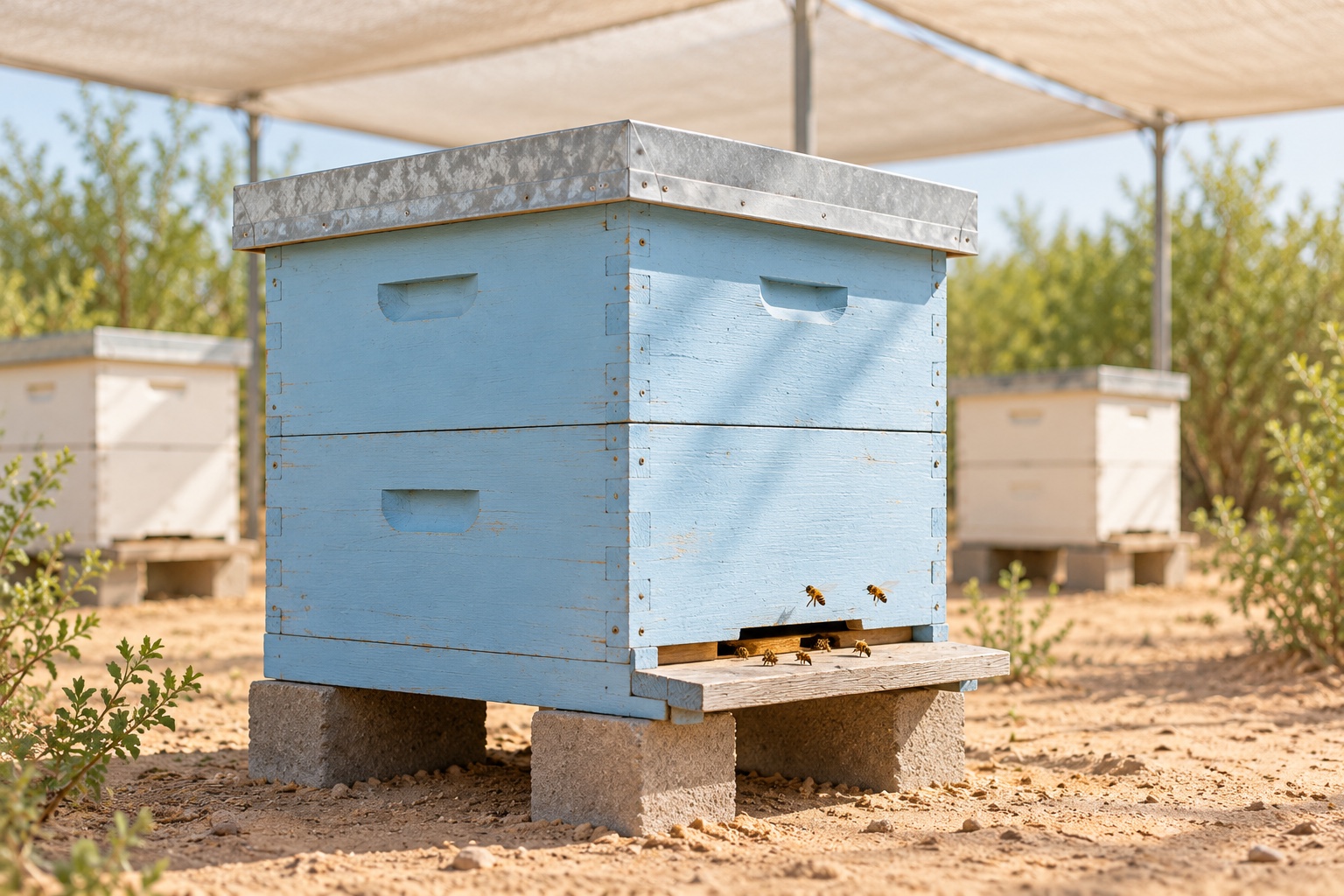
Original AI-assisted news perspective. Official sources checked on 20 October 2026. Cover: AI-generated editorial illustration of a generic apiary, not a documented programme site.
A good read is worth sharing.
Pass this story on to someone who would enjoy it.


The conversation 0
A thought, a question, a little food for thought. Join in — no account needed.
Loading the conversation…
Be the first to add a thought.