
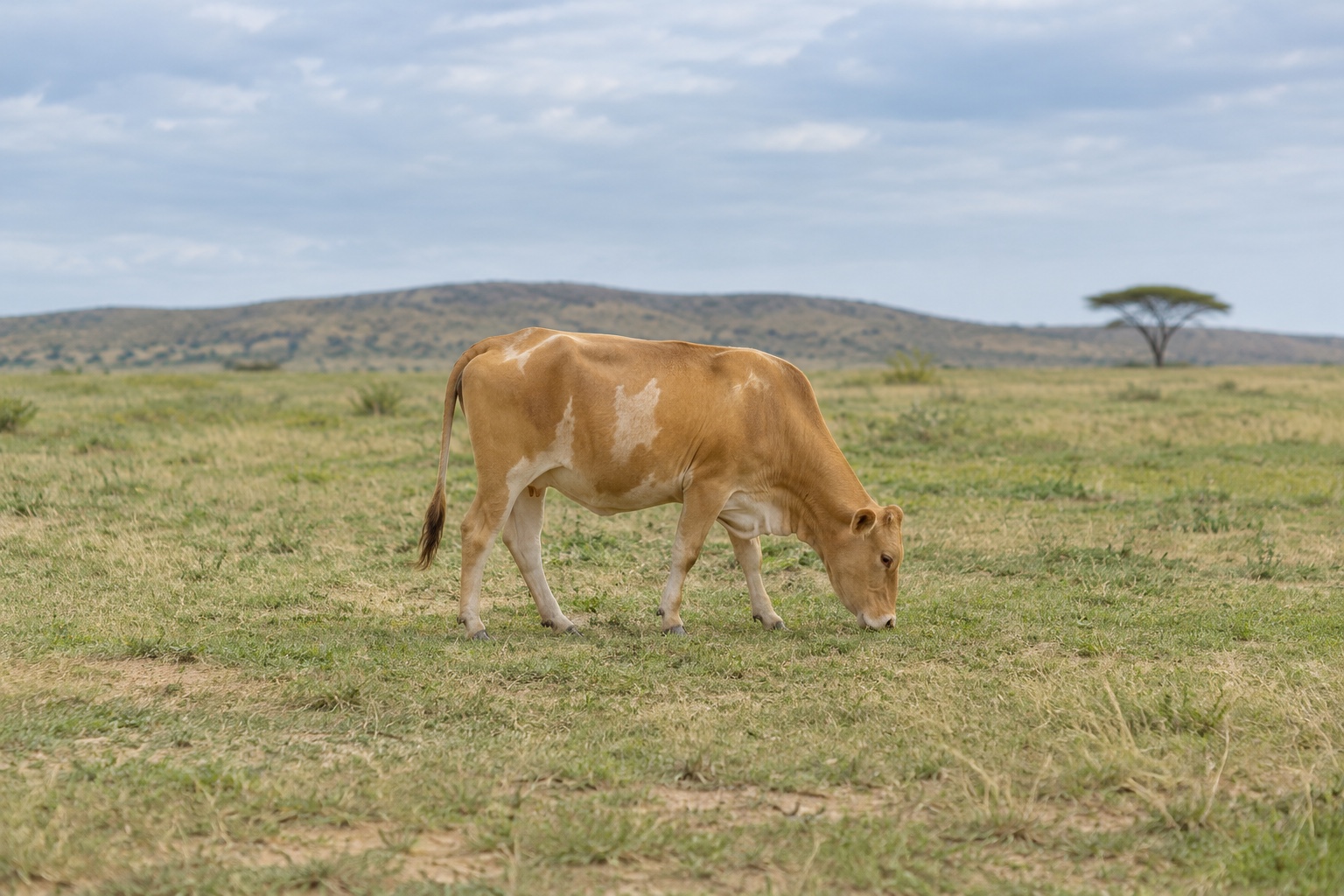
A paper published in Scientific Data on 22 November 2026 estimates populations in pastoral and agro-pastoral zones across Africa. It combines existing maps rather than identifying individual herders.
The accepted paper uses a 2020 WorldPop reference grid and one-kilometre outputs. Estimates include residents of classified livestock zones, after urban and high-density exclusions. They do not capture seasonal movement and lack a subnational survey benchmark for direct validation. The authors propose country and subnational uses in food-security assessments, climate adaptation and resource planning.
Why this belongs in a food-system conversation
FAO’s Pastoralist Knowledge Hub describes pastoralism as a livelihood and land-use system that includes food production, feed, environmental, economic, social and governance dimensions. It also highlights strategic mobility as a way of adapting to changing conditions, and the importance of pastoralists where growing crops is challenging.
That background helps explain why information about these areas matters beyond the map itself. Food production is connected to people’s use of land, the resources available for animals and the ways communities organise their livelihoods. Looking at the landscape alone leaves part of that story out.
A starting point for discussion
The FAO Hub brings research, technical tools and assessments together to support informed policy discussions. Its approach offers a useful context for reading the new publication: a map can be one contribution to a wider discussion, alongside knowledge held by the people who live and work in those landscapes.
For readers following food systems, three questions can guide the next report on these maps: what population is being estimated, what decision is being considered and how local experience will inform it. Those questions keep a technical release connected to the people producing food.
Original AI-assisted news perspective. Sources checked on 22 November 2026. Cover: AI-generated editorial illustration of a fictional grazing scene, not an actual research site, herd or population observation.
A good read is worth sharing.
Pass this story on to someone who would enjoy it.


The conversation 0
A thought, a question, a little food for thought. Join in — no account needed.
Loading the conversation…
Be the first to add a thought.