
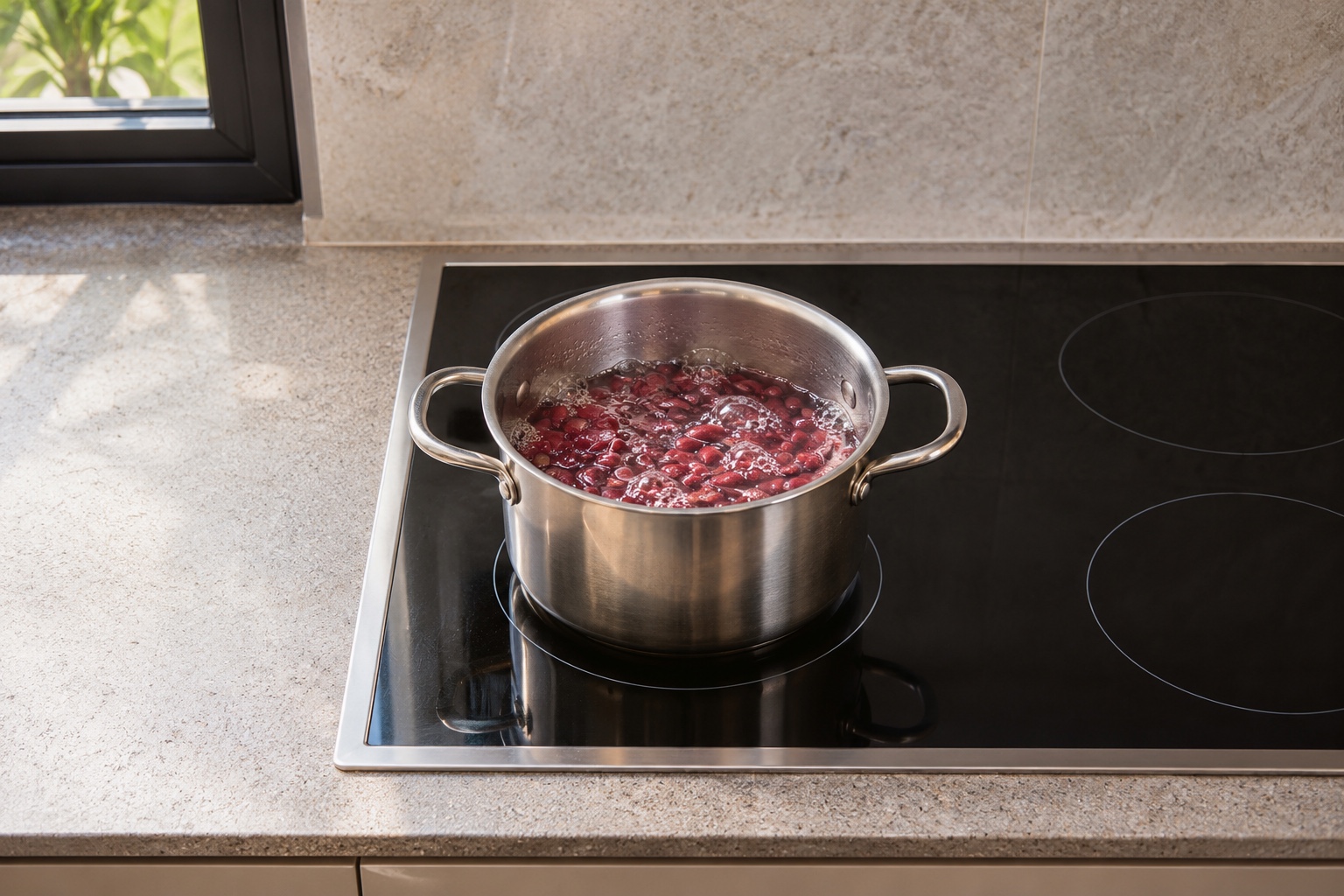
A bean dinner can begin in two very different places: with a tin that is ready to use, or with a bag whose contents still need preparation. Decide which starting point fits your day before choosing the sauce. A plan for dry beans needs room for soaking and cooking; a plan for tonight’s quick supper can start with cooked beans.
Read the form as well as the name
Kidney beans on two packets may need different treatment. The Food Standards Agency explains that supermarket canned beans have already been soaked and boiled. Check the product’s preparation instructions rather than transferring a method from a different pack. Keep those instructions through the cooking stage if you decant dry beans into a jar.
For a Dubai workday that ends with a late grocery stop, choosing ready-cooked beans can be a useful decision made in advance. You can spend your cooking time on onions, peppers or a sauce. Save the dry bag for a day when the preparation actually fits, rather than trying to compress every step into the gap before dinner.
Give dry beans their own preparation window
Raw or undercooked beans can contain active lectins that cause illness. EFSA’s guidance on preparing pulses recommends soaking for 6–12 hours until softened, changing the water, then boiling for at least half an hour at 100°C. Cooking should continue until the beans are soft, since preparation times vary by variety. Soaking is a preparation step; it does not turn dry beans into ready-to-eat beans.
The FDA’s kidney-bean consumer guidance likewise calls for discarding the soaking water and boiling in fresh water for at least 30 minutes, after a soak of at least five hours. The longer soaking window in EFSA’s advice is consistent with that minimum. Read the pack before starting and allow for any further cooking it specifies.
Put the soaking window and the cooking window into the plan separately. For example, decide when you will start the soak and when you can be present for the boiling stage. Follow any product instructions for conditions during soaking. If either window disappears from your day, change the meal plan or use ready-cooked beans.
Keep the boiling step visible
The FDA warns against using a slow cooker to prepare kidney beans: low-temperature cooking may not destroy their toxin. The FSA gives the same warning for raw red kidney beans. Hours in a warm appliance cannot simply replace the required boiling stage. Do not sample soaked or undercooked beans while deciding whether dinner is nearly ready; complete the proper preparation first.
Once cooked, choose the meal
After safe preparation is complete, decide how you want the beans to sit on the plate. For a spoonable supper, fold cooked beans into a tomato-and-pepper sauce and serve with khubz for scooping. Start with a little sauce and add more if you want a looser dish.
For something closer to a side dish, warm cooked white beans with softened onion, then finish a serving with lemon and chopped parsley. Taste that finished, properly cooked serving before dressing the rest. Or mash cooked beans roughly with a fork for toast, leaving some whole for contrast. These are serving ideas, so the starting point in each case is fully cooked beans.
Choose one direction before opening several tins or preparing several varieties. A small bean supper can be complete as an idea: a sauce you like, a texture you want, and something to eat alongside it. The useful pantry habit is knowing which beans are ready for that meal and which need a place in another day’s schedule.
Original AI-assisted editorial. Sources checked on 25 November 2026. Cover: AI-generated editorial illustration.
A good read is worth sharing.
Pass this story on to someone who would enjoy it.


The conversation 0
A thought, a question, a little food for thought. Join in — no account needed.
Loading the conversation…
Be the first to add a thought.