
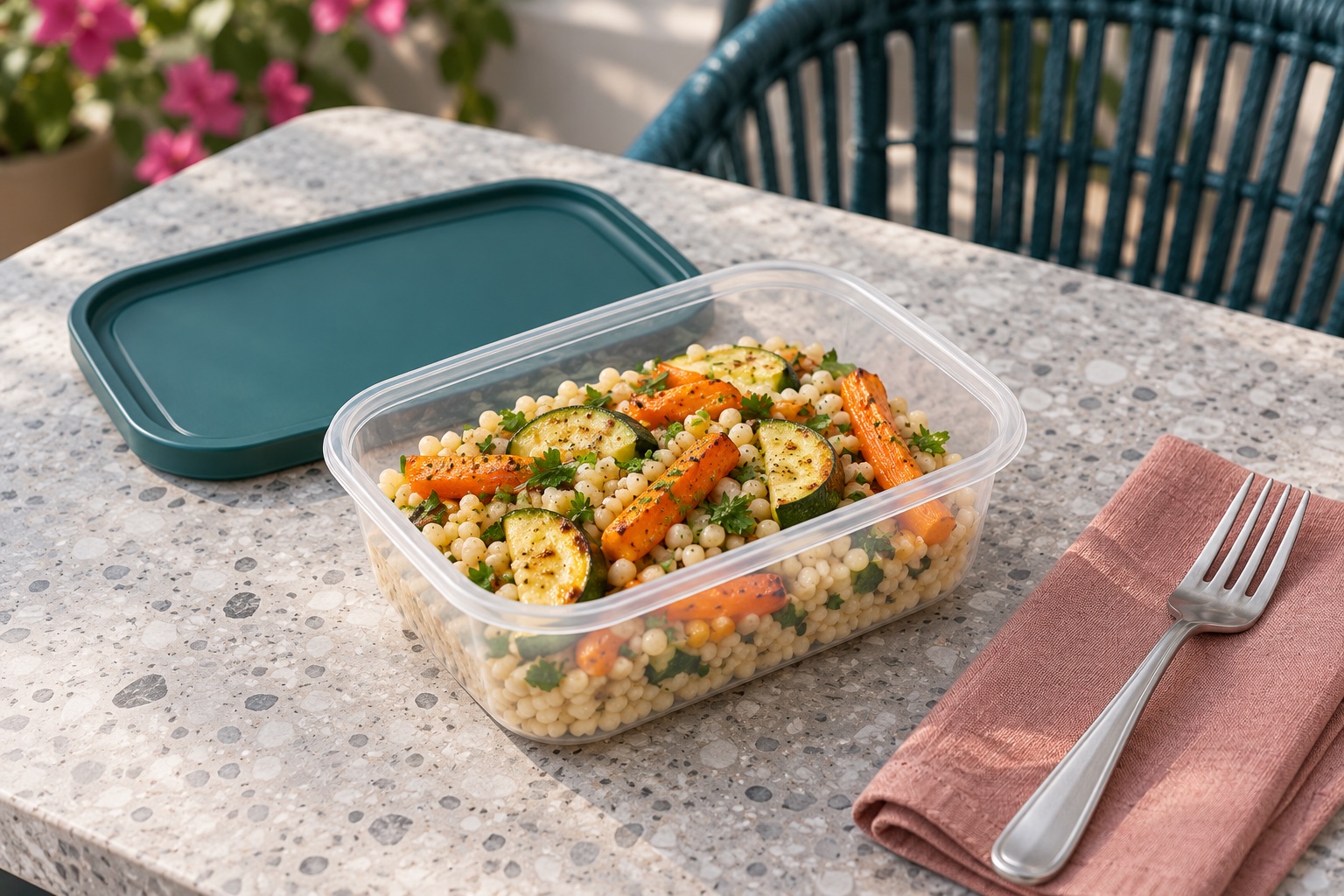
The European Food Safety Authority (EFSA) published new guidance on 16 October 2026 setting out the data needed to assess bisphenols other than bisphenol A (BPA), and their derivatives, when used in food contact materials. Its official publication listing confirms the date and explains that the document complements its existing guidance for these materials.
The development concerns the evidence behind an assessment. Publishing guidance does not, by itself, approve a particular lunchbox or establish that every container on sale has been tested under it. For readers following packaging changes, that distinction makes the news more useful than a simple verdict about a material.
The story reaches beyond takeaway boxes
Food contact materials include packaging, storage containers, utensils and equipment involved in producing and preparing food. EFSA describes assessments that consider both the transfer of substances into food, known as migration, and toxicological information. The scope is therefore wider than the visible box around a delivered lunch.
The European Commission's overview places packaging within a broader European framework covering manufacturing practices and material-specific rules. These are existing regulatory arrangements; the October guidance is a new contribution to the information used in assessment. It should be read in its European context, rather than as an announcement of new UAE requirements.
What makes a useful packaging question?
A useful question for a cafe, caterer or packaging buyer in Dubai is what evidence supports a container's intended use. The answer needs more detail than a photograph or an appealing description of its raw material.
As separate background, the UK Food Standards Agency's 17 March 2023 guide for developers of biobased food contact materials asks how products interact with food and respond to temperature, and whether supporting evidence represents expected use. It also stresses accurate instructions and claims. This older, non-binding guide is context, not part of EFSA's new release.
Our reading of the development is a lasting one: a change of material or ingredient name should prompt a closer look at the supporting evidence and conditions of use. The next useful question is what a particular assessment establishes about a particular application. That keeps attention on documented performance, instead of treating a general packaging trend as a product verdict.
Original AI-assisted news perspective. Official sources checked on 19 October 2026. Cover: AI-generated editorial illustration of a generic food container; no chemical composition or assessment result is depicted.
A good read is worth sharing.
Pass this story on to someone who would enjoy it.


The conversation 0
A thought, a question, a little food for thought. Join in — no account needed.
Loading the conversation…
Be the first to add a thought.