

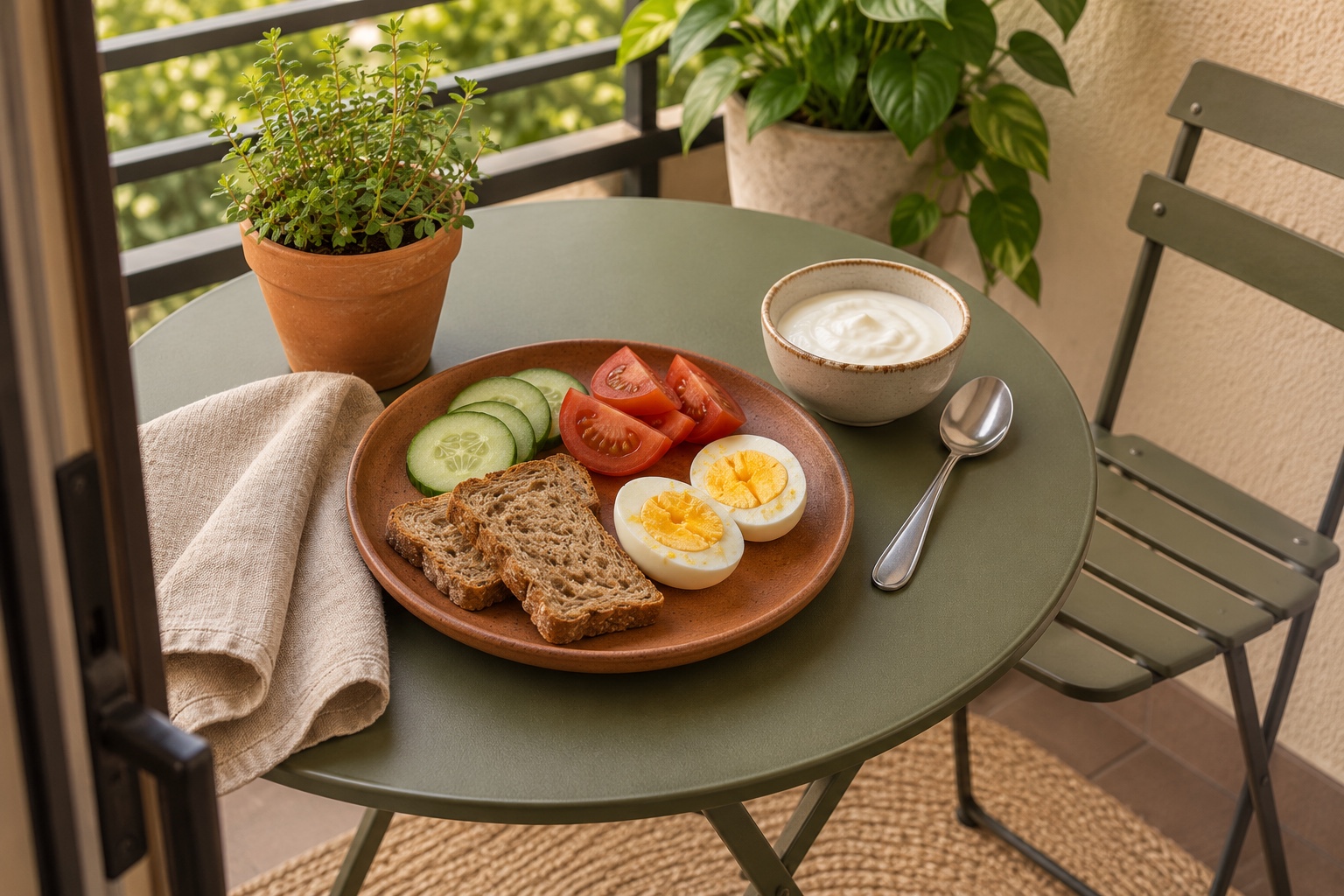
A boiled egg, a piece of bread and a cucumber can be the beginning of a useful lunch. Add a favourite herb, change the bread or put the same ingredients on a plate, and the meal takes a different shape. Eggs for lunch offer plenty of room for everyday cooking without needing a long ingredient list.
For a Dubai workday, a meal at home or a shaded lunch with a friend, begin with how you want to eat: folded in your hand, cut with a fork or spooned together at the table. That choice helps you decide what to prepare and what to keep separate until serving.
Give the egg some company
The NHS Eatwell Guide includes eggs among protein foods, alongside beans, pulses, fish and meat. It also encourages higher-fibre or wholegrain starchy foods and a variety of vegetables. A practical way to apply that guidance is to give each part of the meal a job: egg for the protein-food element, bread or potato as a base, and vegetables for variety.
Choose amounts that suit your appetite and wider day. The guide explains that dietary balance can be achieved across a day or week, rather than requiring every meal to match its proportions. These combinations are flexible cooking ideas, not measured nutrition plans.
The flatbread you finish at the table
Set out a wheat flatbread, fully hard-cooked egg cut into manageable pieces, cucumber and roasted pepper. Add chopped parsley or another herb you enjoy. Fold in the sides loosely so the filling stays inside without forcing the bread into a tight roll.
A little plain yoghurt with lemon can bring the components together; use just enough to suit the bread. Keep wetter ingredients in a separate small container if assembling later. For a shared lunch, put the bread and chilled fillings on the table when you are ready to eat and let each person build their own combination.
Think about texture as you assemble. Firm egg pieces, crisp cucumber and soft pepper offer different bites. Chop the filling small enough to fold comfortably, and resist packing so much in that the bread splits. A fork-and-plate version is equally welcome.
A vegetable omelette with something beside it
Cook chopped courgette, mushrooms or spinach first, then add beaten egg and cook it through. Keep the vegetables modestly sized so the omelette holds together. Serve with bread and tomatoes, or with a few cooked potatoes and whatever salad ingredients you have prepared.
Change the flavour through herbs, black pepper or a small amount of a seasoning you already use. There is no need for every ingredient in the fridge to go into the pan. Choosing one or two vegetables makes it easier to repeat a combination you enjoyed.
The potato plate
Arrange cooked potato pieces, fully hard-cooked egg and green beans on a plate, then add chopped herbs and a little lemon-and-olive-oil dressing. For a different version, use peas and cucumber, or swap the potato for wholegrain bread on the side.
These small changes keep the idea useful beyond one shopping trip. The WHO healthy-diet guidance places diversity alongside adequacy, balance and moderation. Eggs can have a place in that wider pattern while other meals make room for beans, lentils, tofu, fish or other foods you enjoy.
Cook it well, then plan the journey
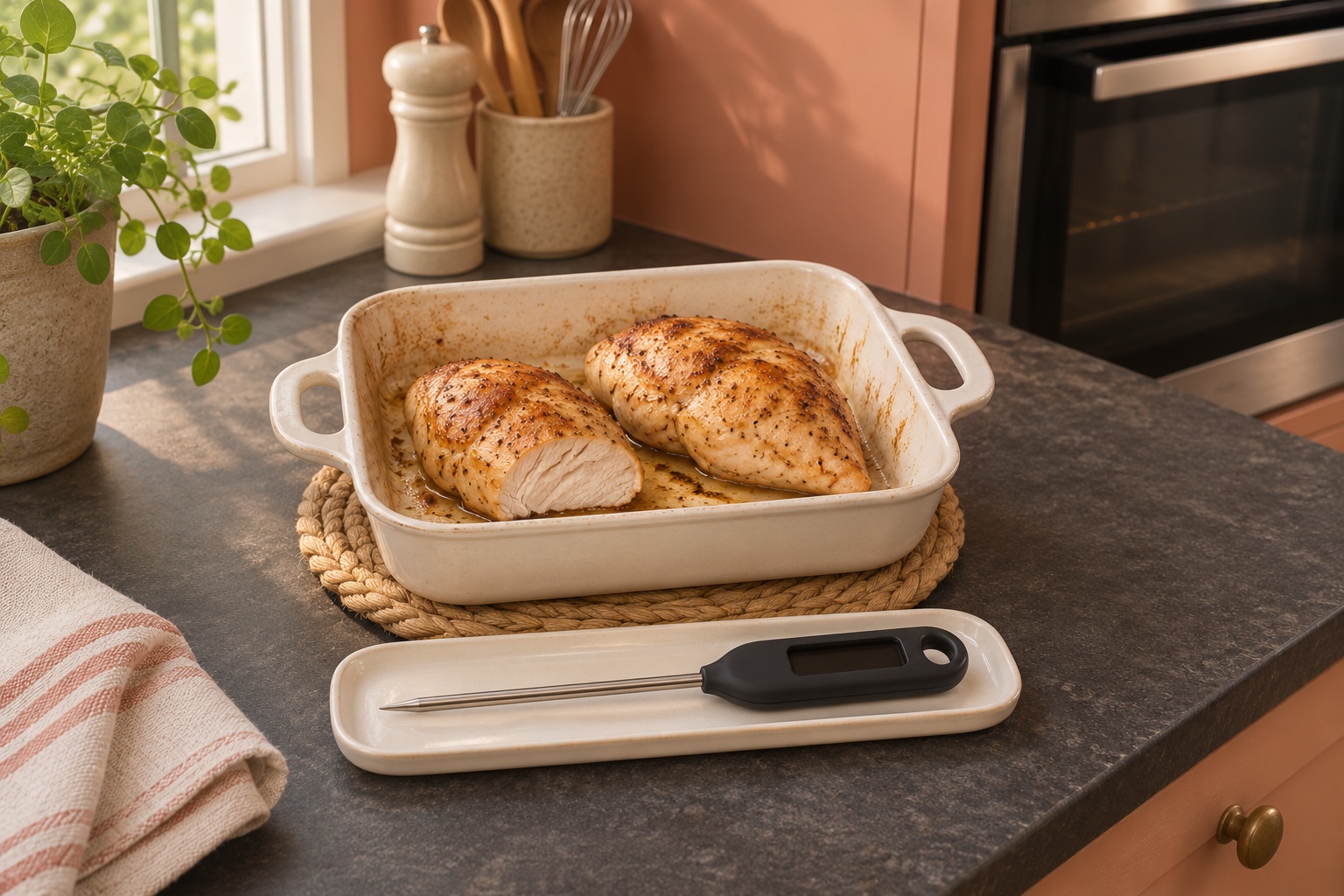
For the ideas here, use fully cooked eggs. The Food Standards Agency's egg guidance advises thorough cooking of both white and yolk. WHO food-safety advice also emphasises thorough cooking of eggs, clean hands and clean preparation equipment. Keep raw egg and utensils used for it separate from the bread and vegetables ready to eat.
For a meal to be eaten later, plan how the cooked egg and prepared fillings will stay chilled until mealtime. WHO recommends prompt refrigeration of cooked and perishable food, preferably below 5°C, and warns against leaving cooked food at room temperature for more than two hours. That is a limit, not a target for leaving lunch out. Keep the interval short, and choose a freshly prepared meal if you cannot keep a packed version chilled.
Once the practical details are settled, choose the format you will actually enjoy eating. A flatbread assembled with a friend, a forkful of omelette or a simple potato plate can each give an ordinary egg a useful place at lunchtime.
Original AI-assisted food writing. Sources checked on 26 October 2026. Cover: AI-generated editorial illustration of a generic shared lunch, not a measured recipe or photographed HAS product.
A good read is worth sharing.
Pass this story on to someone who would enjoy it.
The conversation 0
A thought, a question, a little food for thought. Join in — no account needed.
Loading the conversation…
Be the first to add a thought.