
The Food and Agriculture Organization of the United Nations has published a new interactive guide connecting food production with climate resilience and biodiversity. Dated 19 October 2026, FAO's illustrated landscape lets readers explore approaches such as restoring watersheds, managing water and using climate-resilient crops, then connects those choices with national policy.
The useful idea is that a food-growing landscape has several jobs. A watershed intervention can support water supplies and biodiversity together; an early warning can give producers time to respond before losses mount. The interactive explains these connections. It is an educational resource, rather than a measurement showing that every featured approach has succeeded everywhere.
What countries have promised
A related FAO analysis released on 15 October provides a more detailed look at the planning behind such ambitions. It examines 78 updated national biodiversity strategies and action plans, covering almost 13,000 planned actions. Every plan studied includes agrifood actions; these represent 36 percent of the actions analysed.
The gaps are revealing. Although 84 percent of the plans refer to financial needs, only 44 percent quantify them, and 19 percent cost individual agrifood actions. Fewer than half include measurable indicators at action level. These figures describe the plans reviewed, not the world's farms or proven changes in biodiversity.
FAO also announced a policy navigator alongside the analysis, with additional data releases scheduled later. The distinction between a published resource and its planned extensions matters when following the rollout.
From a promise to a workable measure
Earlier European work offers a separate implementation example. In guidance announced on 28 April 2026, the European Commission drew lessons from current Common Agricultural Policy plans. Its design principles include clear practices, suitable farmer incentives, measures matched to local needs, cooperation across landscapes and robust monitoring. That is EU policy context, not a new requirement for UAE farms.
For readers in Dubai and elsewhere, our takeaway is a more useful way to read a sustainability announcement: ask which practice is proposed, who will carry it out, how it will be funded and what result will be tracked. A striking photograph or a large target cannot answer those questions by itself.
The new FAO resource makes the landscape easier to understand. The accompanying analysis helps explain why a convincing plan still needs money, responsibility and evidence of delivery.
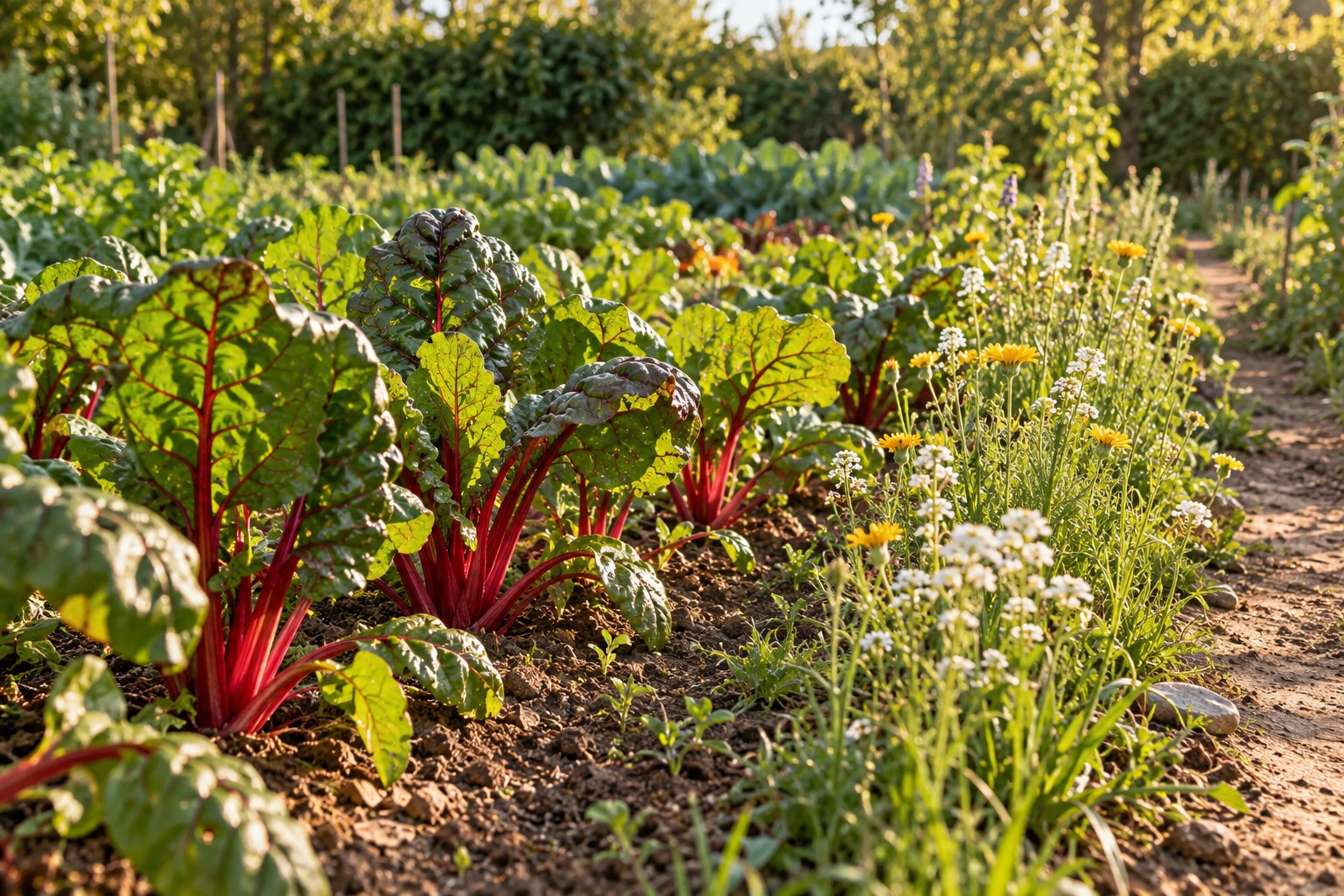
Original AI-assisted news perspective. Official sources checked on 21 October 2026. Cover: AI-generated editorial illustration of a generic vegetable plot, not a documented FAO project.
A good read is worth sharing.
Pass this story on to someone who would enjoy it.


The conversation 0
A thought, a question, a little food for thought. Join in — no account needed.
Loading the conversation…
Be the first to add a thought.