
The Food and Agriculture Organization of the United Nations (FAO) published its latest Food Outlook on 19 November 2026, forecasting generally ample supplies of wheat and coarse grains alongside tighter balances for rice, sugar and vegetable oils. The twice-yearly report updates the outlook for food production, consumption, stocks and trade. Its findings show why a large global harvest can coexist with difficulties getting food to buyers. FAO’s 19 November announcement
Different staples face different pressures
FAO forecasts global wheat inventories will reach a record 360.6 million tonnes by the close of seasons in 2027. Yet it also expects wheat trade to contract as export availability and transport constraints limit shipments. For rice, projected production falls below expected use, although large stocks carried over from the previous season would leave reserves at their second-highest level on record. Vegetable oil stocks are expected to fall further, partly because of strong demand from biofuel producers. These are forecasts for the coming market seasons, rather than completed harvest or stock counts. Food Outlook, November 2026: commodity summaries, pages 2–5
Where the stocks sit matters
The report’s Black Sea trade chapter examines the distinction between having grain and being able to move it. Disrupted export routes can leave inventories accumulating near producers while importers seek other suppliers. Alternative routes help, but their ports, inland transport and handling capacity constrain how much they can carry. A worldwide stock total therefore cannot answer every buyer’s question about an available shipment. FAO’s analysis of Black Sea export disruptions, pages 19–21
That distinction is relevant to the UAE’s existing approach to food supply. The National Food Security Strategy 2051 includes diversifying import sources and identifying alternative supply arrangements for major food categories. The new report gives those longstanding priorities a current global context; it does not announce a change to UAE policy. UAE Government: National Food Security Strategy 2051
For food businesses following the outlook, the useful comparison is between each commodity’s expected production, stocks and delivery routes. Treating all staples as one market can obscure the differences. The report provides a basis for that comparison, rather than a prediction of what a particular Dubai shop will charge or have on its shelves.
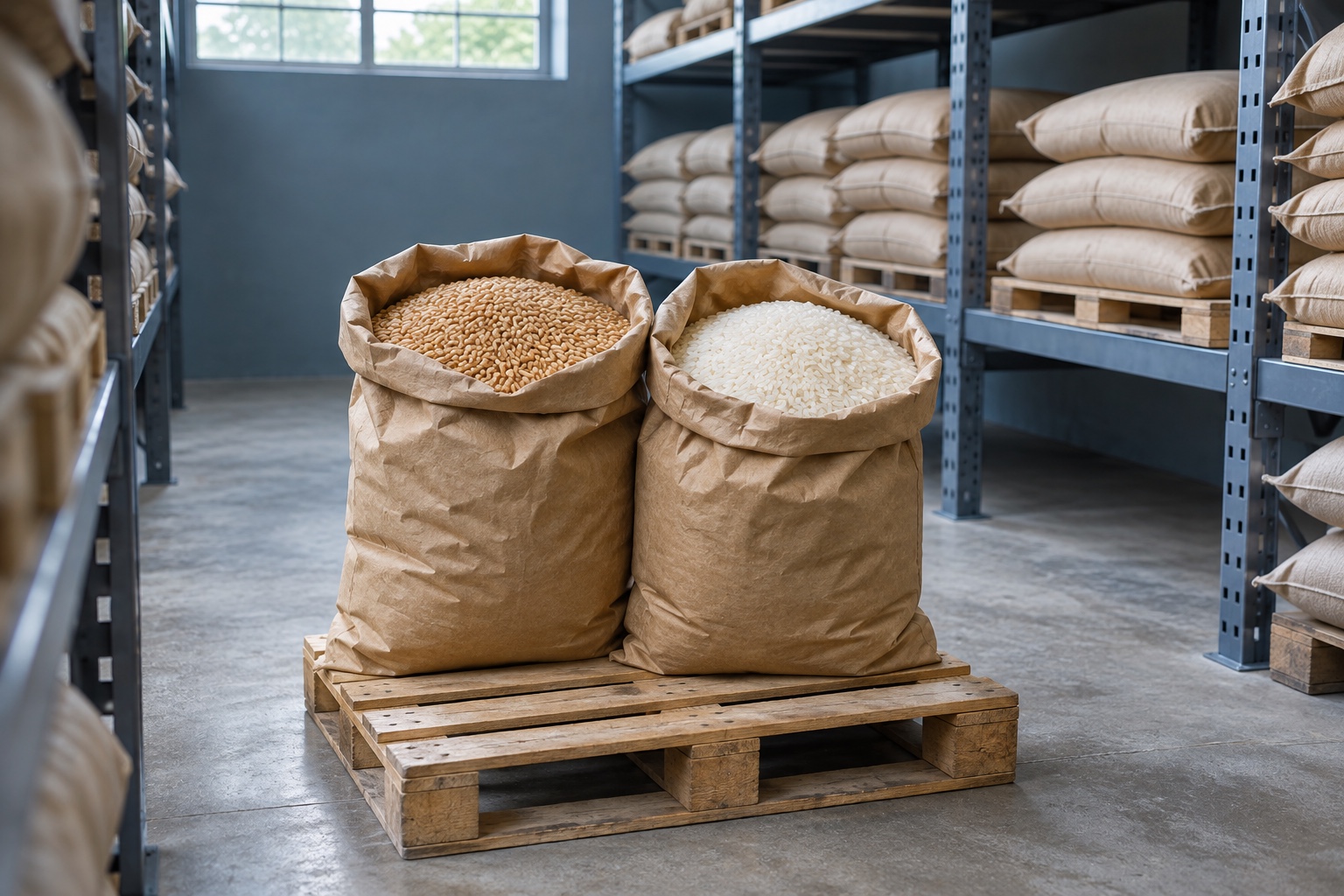
Sources checked on 19 November 2026. Cover: AI-generated editorial illustration of a fictional grain storeroom.
A good read is worth sharing.
Pass this story on to someone who would enjoy it.


The conversation 0
A thought, a question, a little food for thought. Join in — no account needed.
Loading the conversation…
Be the first to add a thought.