The UN Food and Agriculture Organization opened its first Global Pollinator Conference in Rome on 5 November 2026, with a proposed international coordination platform on the agenda. The FAO opening report described a mechanism to connect existing initiatives, share knowledge, encourage innovation and support national action.
The conference was scheduled for 5–6 November. FAO members had already provided a mandate to work towards a Global Pollinator Platform; the meeting was a step in that process. The opening report described proposed functions, without announcing an operational platform or new funding. It also highlighted the role of farmers, beekeepers and local communities in protecting pollinators.
A food-production story beyond the beehive
Separate background from the European Commission identifies bees, butterflies, hoverflies and moths among the insects that pollinate crops and wild plants. Its existing policy priorities include understanding pollinator decline, improving conservation and strengthening cooperation. That wider range matters when a food-system story is illustrated with a honeybee: pollination involves more than one familiar insect.
For readers choosing ingredients or working with food in the UAE, this places part of the production story before harvesting, packing and delivery. A vegetable, fruit or seed reaches a kitchen through a growing system. The work that keeps that system functioning is worth asking about alongside an ingredient’s origin and culinary uses.
What to look for as the proposal develops
One useful question for the proposal is how shared information could connect a named crop, its visiting pollinators and the surrounding landscape. Growers and researchers would need to know where observations were made and which conditions they describe. The value would be in making that context easier to find and compare.
For readers following an ingredient back towards the field, pollination adds a question about the living setting in which it grows. The next reports will be more informative if they explain how observations become usable support for farmers and local communities. The proposed platform’s practical shape remains the part of the story to watch.
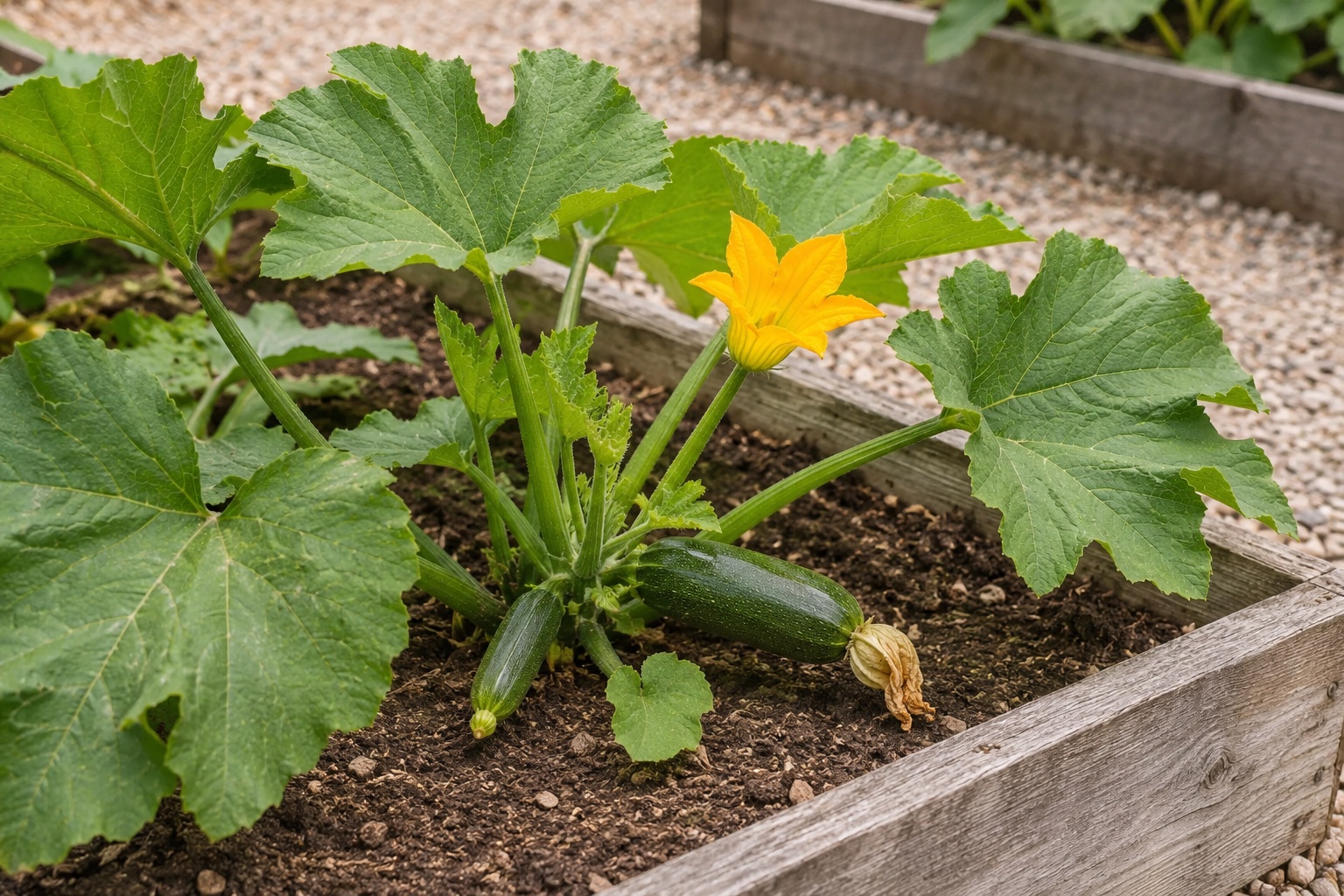
Sources checked on 8 November 2026. Cover: AI-generated illustration of a generic flowering courgette bed, not a conference site or programme farm.
A good read is worth sharing.
Pass this story on to someone who would enjoy it.
The conversation 0
A thought, a question, a little food for thought. Join in — no account needed.
Loading the conversation…
Be the first to add a thought.