A FAO announcement dated 21 October 2026 highlights a new policy brief on soil and water salinity at the International Conference on Saline Agriculture in Dongying, China. The International Center for Biosaline Agriculture, known as ICBA, is named among the international collaborators.
A Dubai connection through research
An existing FAO institutional registry record lists ICBA in Al Ruwayyah 2, Dubai. That makes the centre's participation a concrete UAE link to the policy work. The announcement concerns an international collaboration, rather than the opening of a new farming project in Dubai.
Bring soil and water into the same conversation
The policy brief calls for coordinated, science-based action to prevent, mitigate and adapt to salinization. It connects soil and water management with wider work on climate change, biodiversity and desertification, and recommends stronger international cooperation and better-aligned policies.
For readers interested in where food comes from, the practical point is that a crop's growing conditions deserve attention alongside the crop itself. The policy discussion reaches beyond selecting a variety: it asks institutions to consider the resources and decisions that support production together.
What implementation would need to explain
Among the brief's recommendations are approaches tailored to coastal and inland conditions, and including farmers in decisions and policymaking. It also calls for regular monitoring of soil and water salinity to identify risks and guide management choices. The emphasis is on adapting an approach to its setting, rather than expecting one technique to suit every farm.
Those recommendations need a practical route into the setting where an approach would be used. A recommendation needs a route into everyday farm decisions, with responsibilities that are clear to the people expected to carry it out. Readers following future projects can look for that practical detail alongside announcements of partnerships.
The development is a policy contribution, not a report of measured harvest gains. Its lasting interest is the connection between agricultural research and the decisions behind future food production. Progress will be easier to assess when follow-up reporting explains what was implemented, where, and what evidence was collected.
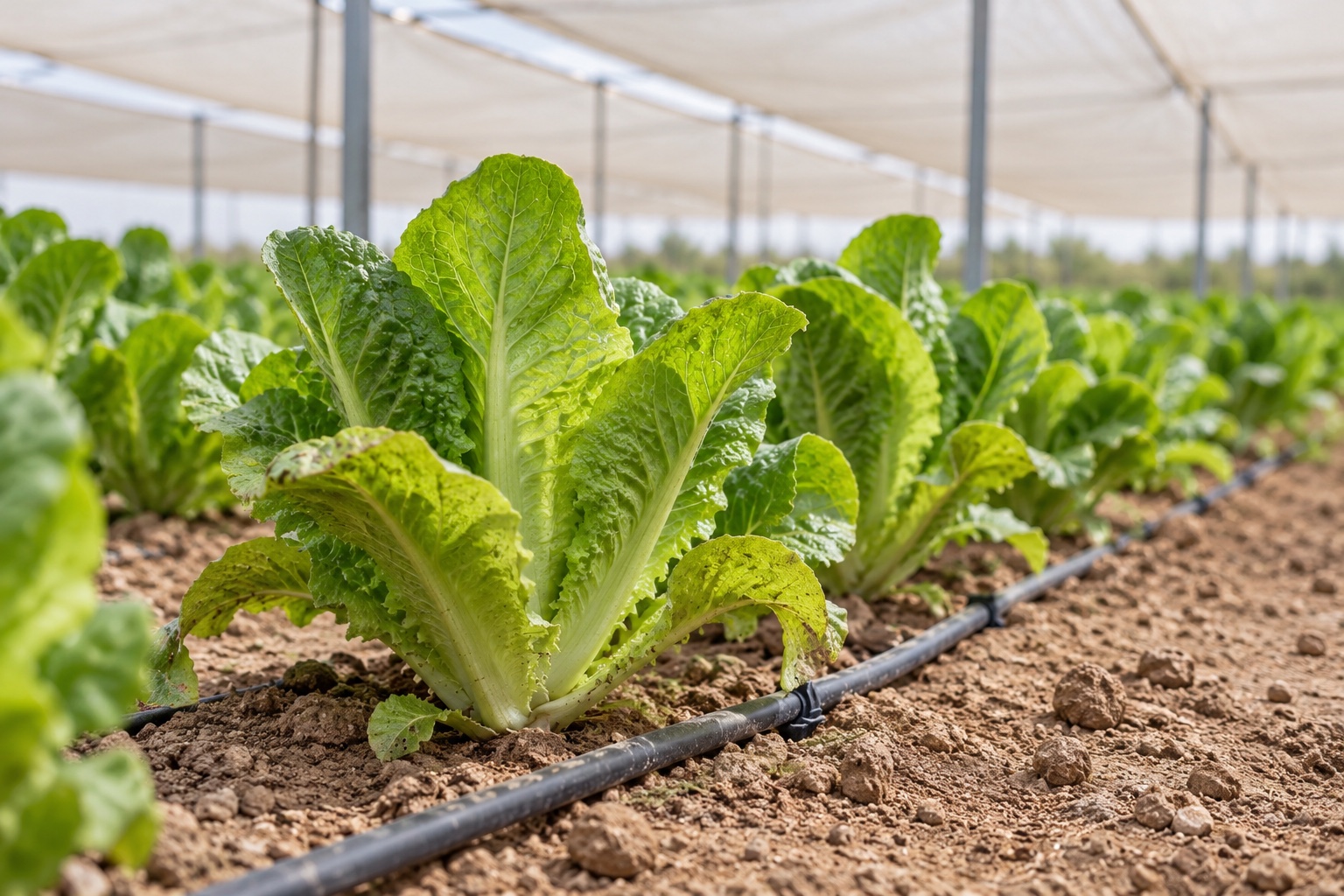
Original AI-assisted food-systems reporting. Sources checked on 24 October 2026. Cover: AI-generated editorial illustration of a generic irrigated vegetable plot, not a programme location or documented saline-crop trial.
A good read is worth sharing.
Pass this story on to someone who would enjoy it.


The conversation 0
A thought, a question, a little food for thought. Join in — no account needed.
Loading the conversation…
Be the first to add a thought.