
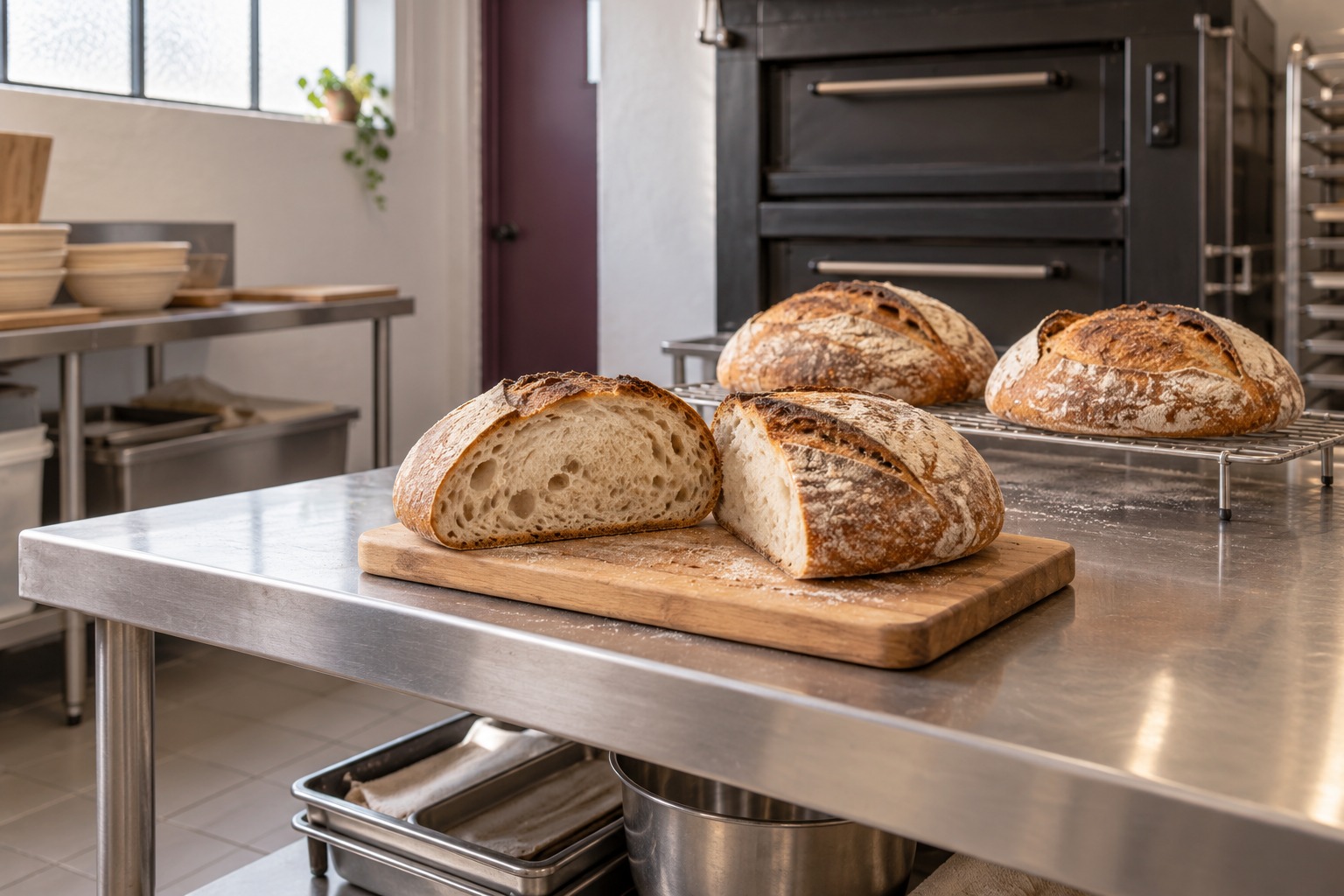
A loaf of sourdough, a pot of yoghurt and a product promoted for gut health can end up in the same shopping basket. They may also bring three different ideas into the conversation: fermentation, living microorganisms and a claimed health benefit.
For a Dubai supermarket shop or an everyday meal order, it helps to keep those ideas separate. Start with the food you want to eat, then give any health claim its own closer look. A fashionable word on a pack cannot do every job at once.
Fermentation describes how a food is made
A 2021 scientific consensus published in Nature Reviews Gastroenterology & Hepatology describes fermented foods through the deliberate activity of microorganisms and the changes they make to food components. It also explains that a fermented food need not contain living microorganisms when eaten. Bread can be fermented and then baked, which kills the fermentation microorganisms. A vinegar-pickled vegetable, meanwhile, is not necessarily fermented.
That makes bread a useful shopping example. You might choose a particular loaf for its crust, crumb, flavour, price or the way it works in a sandwich. Those are worthwhile food choices without turning the loaf into a promise about live cultures.
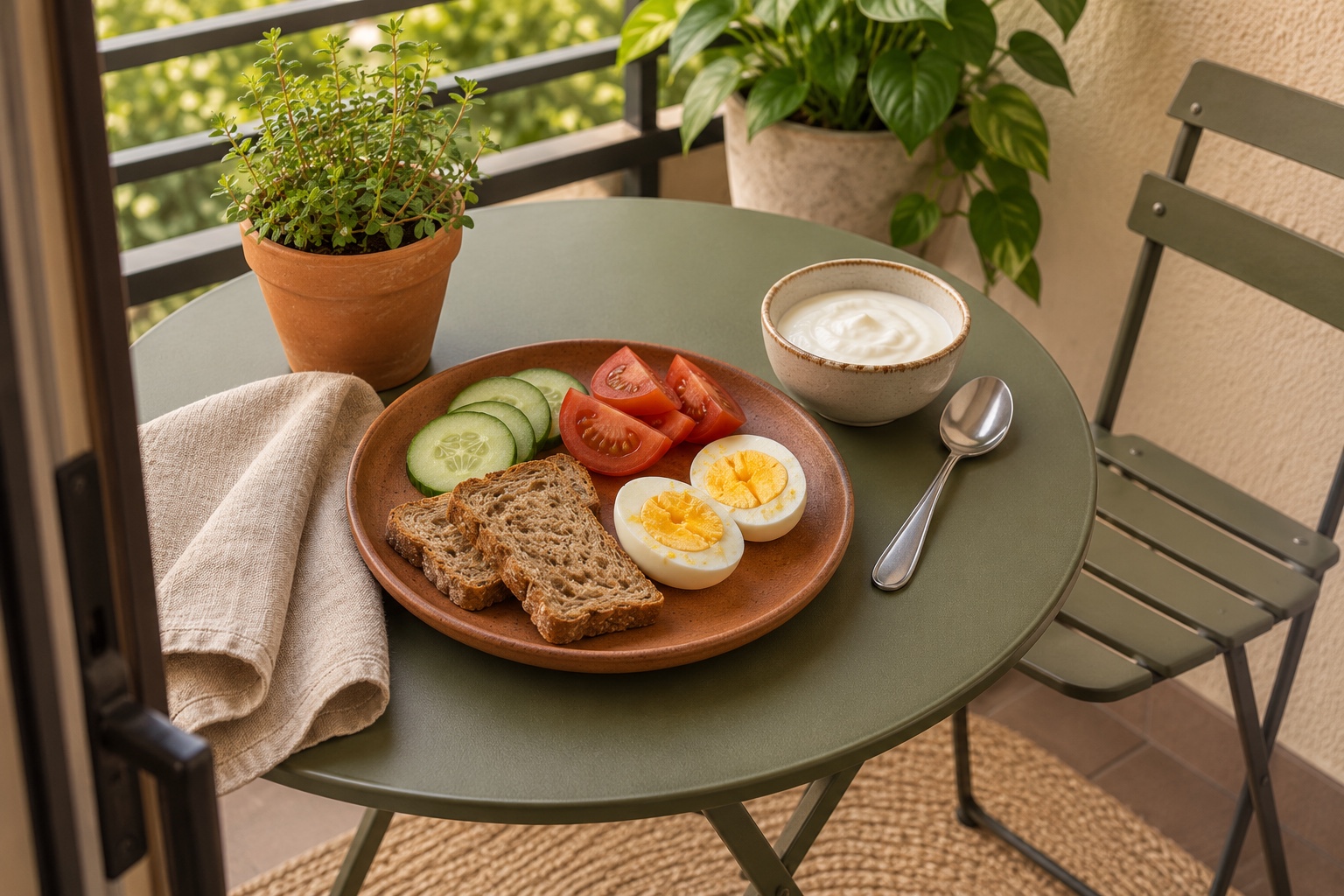
The same approach makes a menu description more useful. “Sourdough toast with eggs and tomato” tells you about a meal you can picture and enjoy. Adding a broad gut-health promise would raise a separate question about evidence. A traditional preparation method and a demonstrated benefit are different pieces of information.
Let the description do more than the photograph
If you are buying pickled vegetables, ask how the product is described and made. Are you looking for a particular preparation, a vinegar flavour you enjoy or something to serve beside lunch? Those are different shopping intentions. Use the description to answer the one you actually have; the look of a brimming jar cannot answer all of them.
Live cultures add another piece of information
The consensus statement distinguishes fermented foods containing live microorganisms from probiotics: the probiotic designation requires evidence of a health benefit from the relevant live microorganisms in an adequate amount. Fermented and probiotic are therefore not interchangeable descriptions.
At the shelf, read the actual product description instead of treating every cultured or fermented food as the same purchase. If the details you need are missing, ask the maker or choose on the information available. A photograph, a sour taste or a carefully styled jar cannot identify the microorganisms or demonstrate a health effect.
A claim needs its own evidence
When a claim interests you, useful questions are concrete: which microorganism was studied, what product was used, and what outcome was measured? A claim about one particular symptom does not establish a general benefit for everyone. Keep the information specific rather than translating it into a promise that any fermented food will do the same thing.
The NHS overview of probiotics also highlights limited evidence behind many claims and cautions that products showing promise in clinical trials can differ substantially from shop-bought yoghurts and supplements. If you have an existing health condition or weakened immunity, it advises speaking to a doctor before taking probiotic supplements.
Give the food a useful role in a meal
For everyday cooking, the enjoyable part can stay straightforward. Plain yoghurt can become a cucumber-and-herb accompaniment to a meal. A sourdough loaf can provide toast or bread alongside a vegetable soup. Choose an amount and preparation that suit what you are making; neither idea needs to be presented as a treatment.
If you enjoy a tangy condiment, decide what it contributes to the dish before buying a large jar. Will you use a small spoonful in a dressing, serve it beside a familiar meal or simply find that the flavour is not for you? There is no need to collect fermented products as a checklist.
A practical shopping note can be short: the food, its place in your meals and the specific information you still want to check. Keep following the product’s storage and use instructions. Enjoyment and clear product information can guide the purchase while health claims receive the evidence they need.
Sources checked on 1 November 2026. Cover: AI-generated editorial illustration of bread in a generic bakery, not a photographed HAS product, a probiotic claim or a measurement of live cultures.
A good read is worth sharing.
Pass this story on to someone who would enjoy it.
The conversation 0
A thought, a question, a little food for thought. Join in — no account needed.
Loading the conversation…
Be the first to add a thought.