
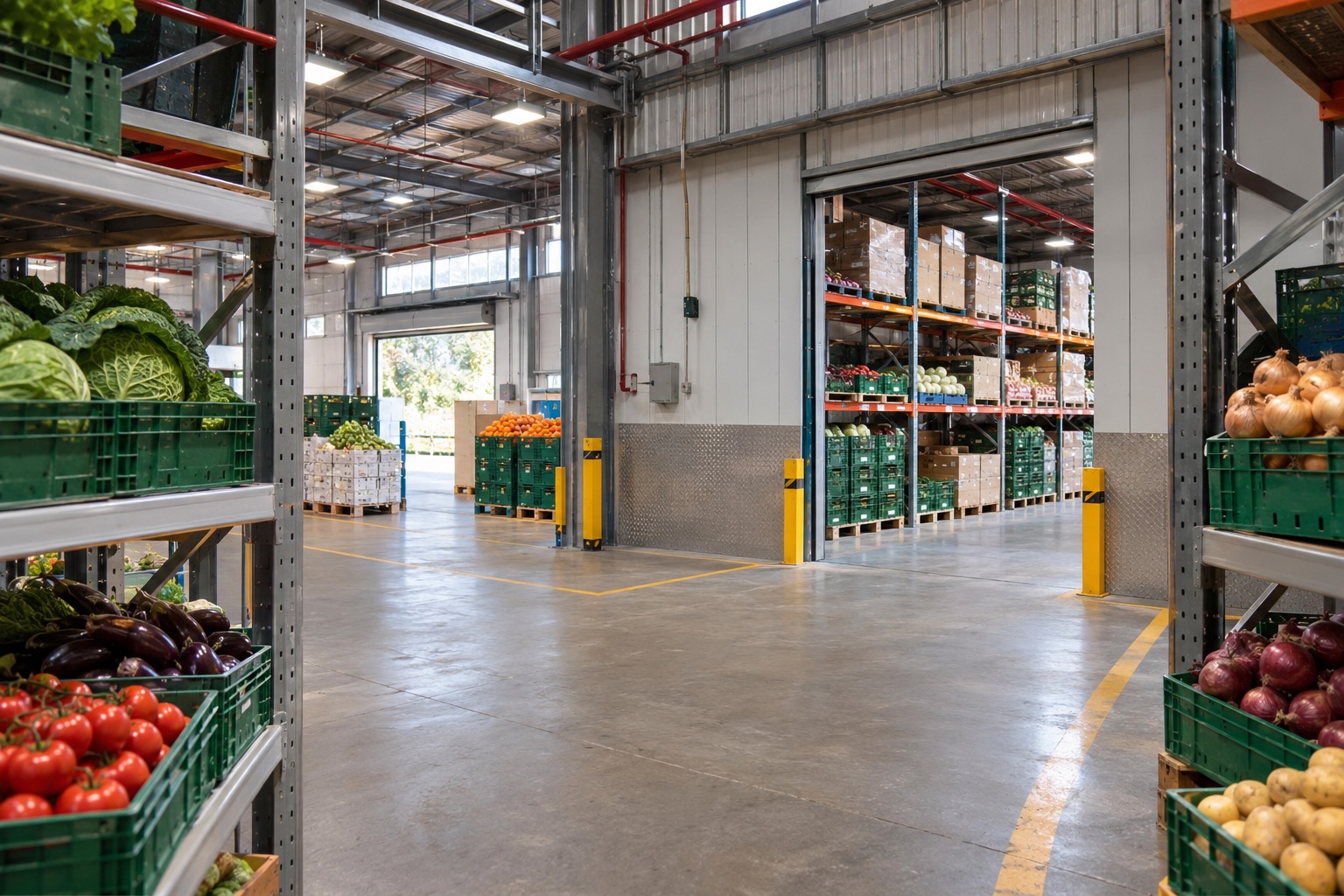
A study published on 23 November 2026 models how countries’ responses to food shortages can reduce their own losses while worsening losses elsewhere.
In a hypothetical complete loss of Indian rice production, the model allows the UAE to offset losses through alternative imports, while Djibouti finds no new supplier within its framework. This is a simulation, not a report of a current shortage or procurement decision.
The model uses a 2020 network and excludes prices and inventories. Its results concern simulated food availability, not a forecast of supermarket prices.
A wider trade context
The question of who can make new connections has a useful policy context. In its 9 July 2026 release accompanying the State of Agricultural Commodity Markets, FAO said countries sourcing food from more trading partners are generally more resilient to shocks. Heavy dependence on a small number of exporters creates greater vulnerability.
FAO cited an analysis of monthly global trade data from 2007–2024: connections to exporters with many trading links could moderate a shock’s effects for an importing country. That distinction concerns how connections work, not simply how many partners a country has.
FAO also described trade as a way of moving food to places where it is suddenly needed, while stressing that the policy environment matters alongside the structure of the network. Its release argued for international cooperation and policy coordination when disruptions occur. That is earlier context for the new research, rather than an independent validation of its simulations.
What to ask of the next resilience claim
Before calling a food system resilient, ask whose connections changed, which alternatives became available, and whose options stayed limited. Then check the account’s assumptions.
Original AI-assisted news perspective. Sources checked on 24 November 2026. Cover: AI-generated generic editorial illustration, not an actual shipment, research observation or documented supply disruption.
A good read is worth sharing.
Pass this story on to someone who would enjoy it.

The conversation 0
A thought, a question, a little food for thought. Join in — no account needed.
Loading the conversation…
Be the first to add a thought.