
A Nature Food study published on 2 November 2026 looks beyond heat alone when examining wheat production in China. In the journal’s public summary, the authors report increasing vulnerability to combined hot, dry and windy atmospheric conditions.
The research combines county-level harvest records, hourly climate data, crop-development observations and production-cost records. Its analysis of changing yield sensitivity covers 1981–2018. This is a historical, model-based investigation, rather than a report on this year’s harvest.
The crop behind familiar meals
The connection to food is concrete. USDA’s wheat overview explains that different wheat classes have different uses: hard red winter wheat is principally used for bread flour, while durum wheat is used in pasta production. That is established background about wheat uses, separate from the new study’s results in China.
For readers planning meals in Dubai, the useful connection is the crop behind an ingredient. The paper is a reason to look more closely at food-production research, rather than a reason to change tonight’s shopping basket on the basis of a headline.
Read the combination and the location
A same-day Nature Food commentary frames the findings around crop management, breeding and climate adaptation. It is commentary on the research, not a second experiment. Its focus is on how farming responds to combined stress.
That framing encourages a more specific reading of crop news: which conditions occurred together, which crop was studied and where did it grow? Those details are more useful than treating every report about a hot day as an interchangeable warning about all food.
The China analysis does not establish a UAE yield result or a forecast for bread prices in Dubai.
The lasting story is the question being investigated: how well do familiar food crops cope when several weather pressures arrive together? Following that question over time means keeping research findings, regional production reports and everyday purchasing decisions distinct.
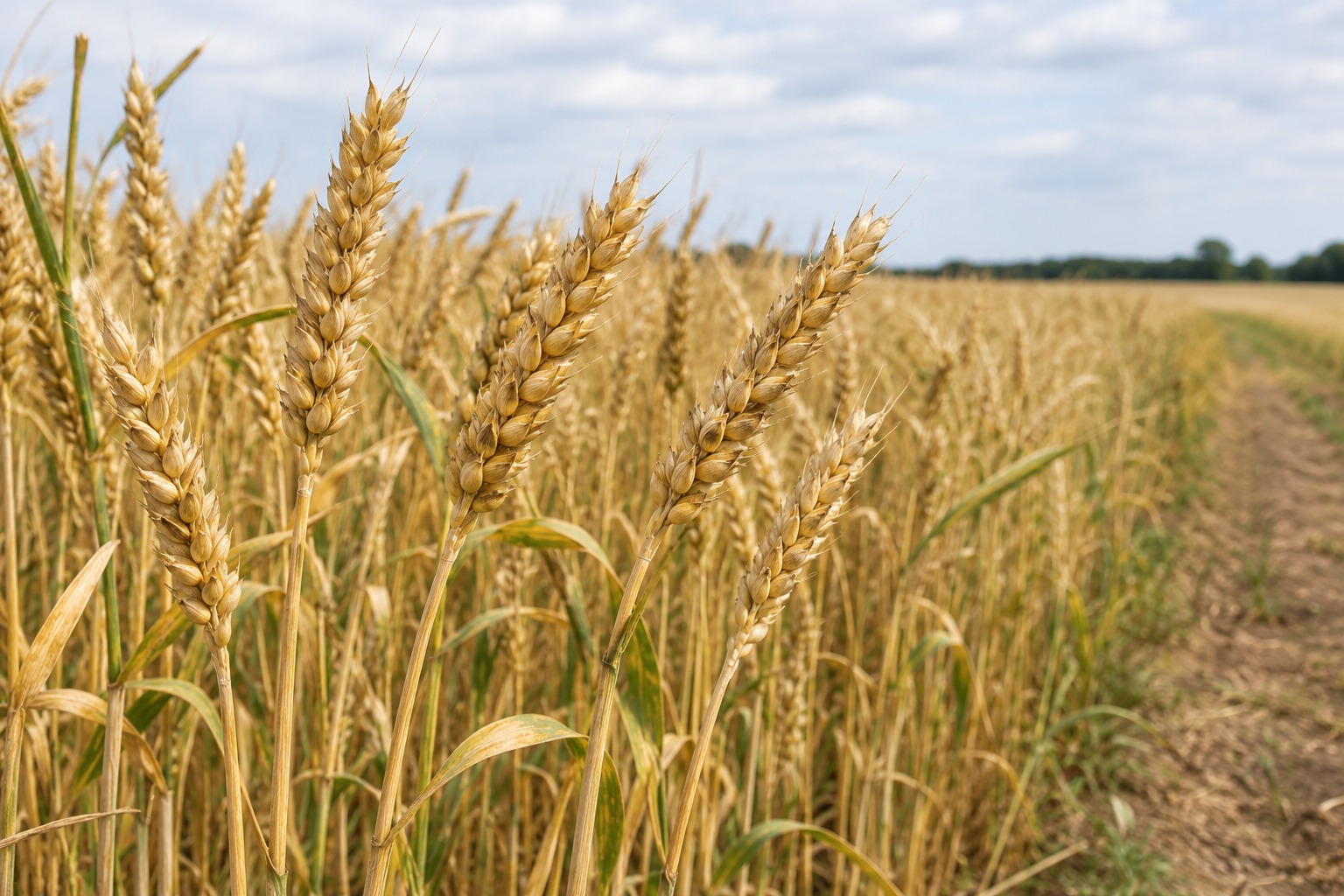
Sources checked on 2 November 2026. Cover: AI-generated illustration of a generic wheat field, not a study location, documented weather event, damaged crop or HAS supplier.
A good read is worth sharing.
Pass this story on to someone who would enjoy it.


The conversation 0
A thought, a question, a little food for thought. Join in — no account needed.
Loading the conversation…
Be the first to add a thought.