
The World Health Organization released its first global guidelines on managing obesity in children and adolescents on 7 October 2026. The new recommendations set out how health services and professionals can provide timely, evidence-based care, with families involved in the process.
Their lasting relevance extends to how food and wellbeing are discussed at home. Everyday family support has a place alongside organised care, while individual clinical needs still require professional assessment.
A broader model of care
In its announcement, WHO recommends structured dietary, physical-activity and behaviour-change interventions for children and adolescents living with obesity, delivered individually or within a programme combining several approaches. It also emphasises care that responds to each child's development and family circumstances, with continuing follow-up.
WHO says the goals should include health, functioning and wellbeing beyond weight change alone. Mental-health needs, stigma and bullying also deserve attention. The organisation calls for wider measures to make healthy diets and physical activity more accessible and affordable, including action across education and other sectors.
What family support can look like
Existing NHS family guidance offers a useful companion to that approach: speak kindly, avoid blame and focus on positive actions a family can take together. It also encourages respect for people of every body size, shape and ability.
A separate NHS guide for parents recommends balanced meals that include vegetables and fruit, starchy foods, protein, and dairy or alternatives. It encourages realistic goals, involving children in decisions and finding physical activities they enjoy.
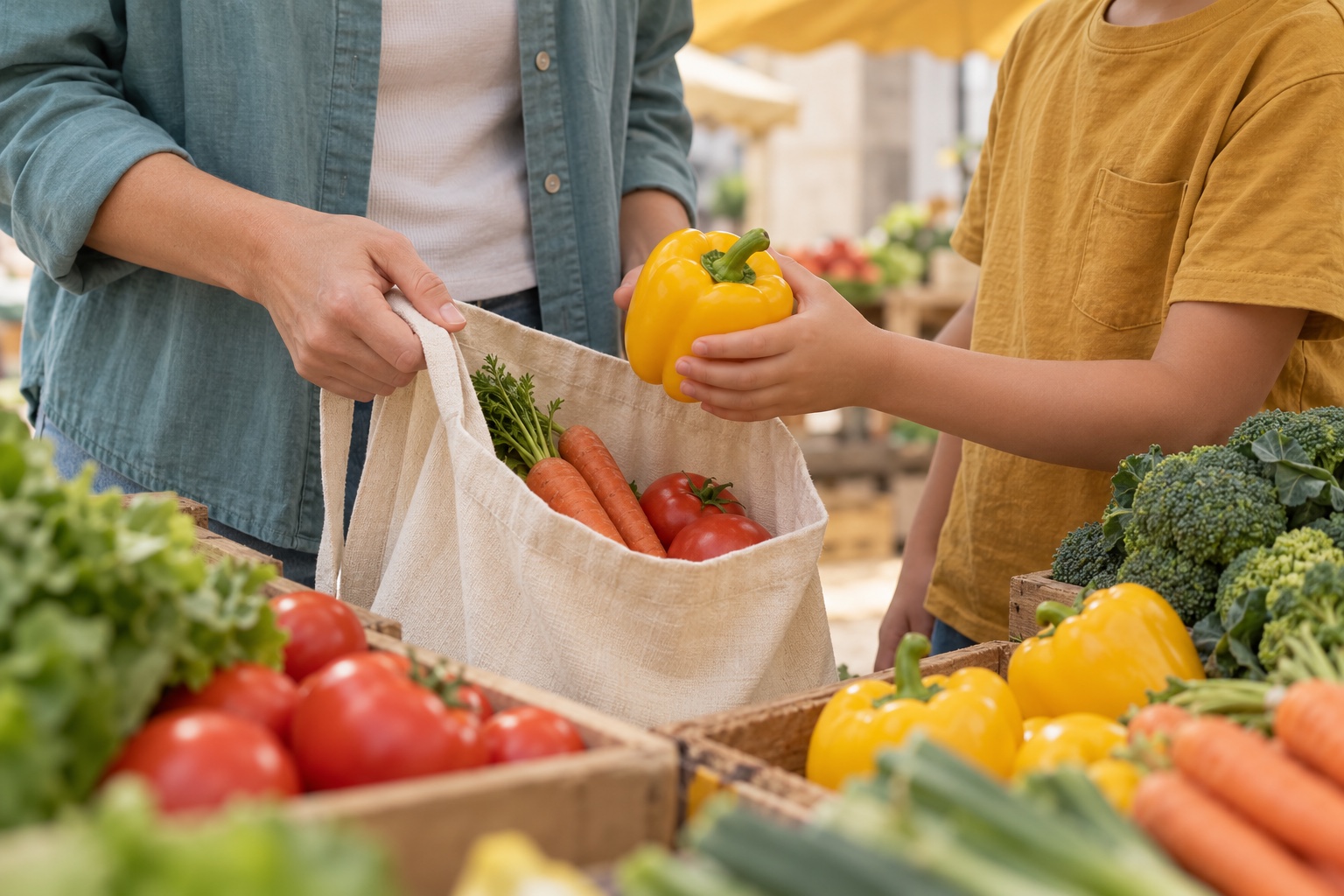
As an everyday example, a family could let a child help choose a vegetable for a shared meal, or discuss which activity they would enjoy doing together. These are illustrative ways of involving children; they are not substitutes for the structured care described in WHO's recommendations.
A useful question after the announcement
For families following this development, the practical question is how support will fit a child's growth, preferences and circumstances over time. If there are concerns about growth or weight, the NHS advises seeking professional support. A conversation can include food routines, emotional wellbeing and the help available locally.
The news is the publication of a global care framework. Its implementation, access to services and each family's care plan are separate matters to follow as health systems respond.
Editorial note
This AI-assisted news perspective uses WHO and NHS originals checked on 16 October 2026. The cover is an AI-generated editorial illustration of family food shopping, using all three HAS Meal homepage hero photos as quality references. It depicts no patient, programme participant or WHO event.
A good read is worth sharing.
Pass this story on to someone who would enjoy it.

The conversation 0
A thought, a question, a little food for thought. Join in — no account needed.
Loading the conversation…
Be the first to add a thought.