
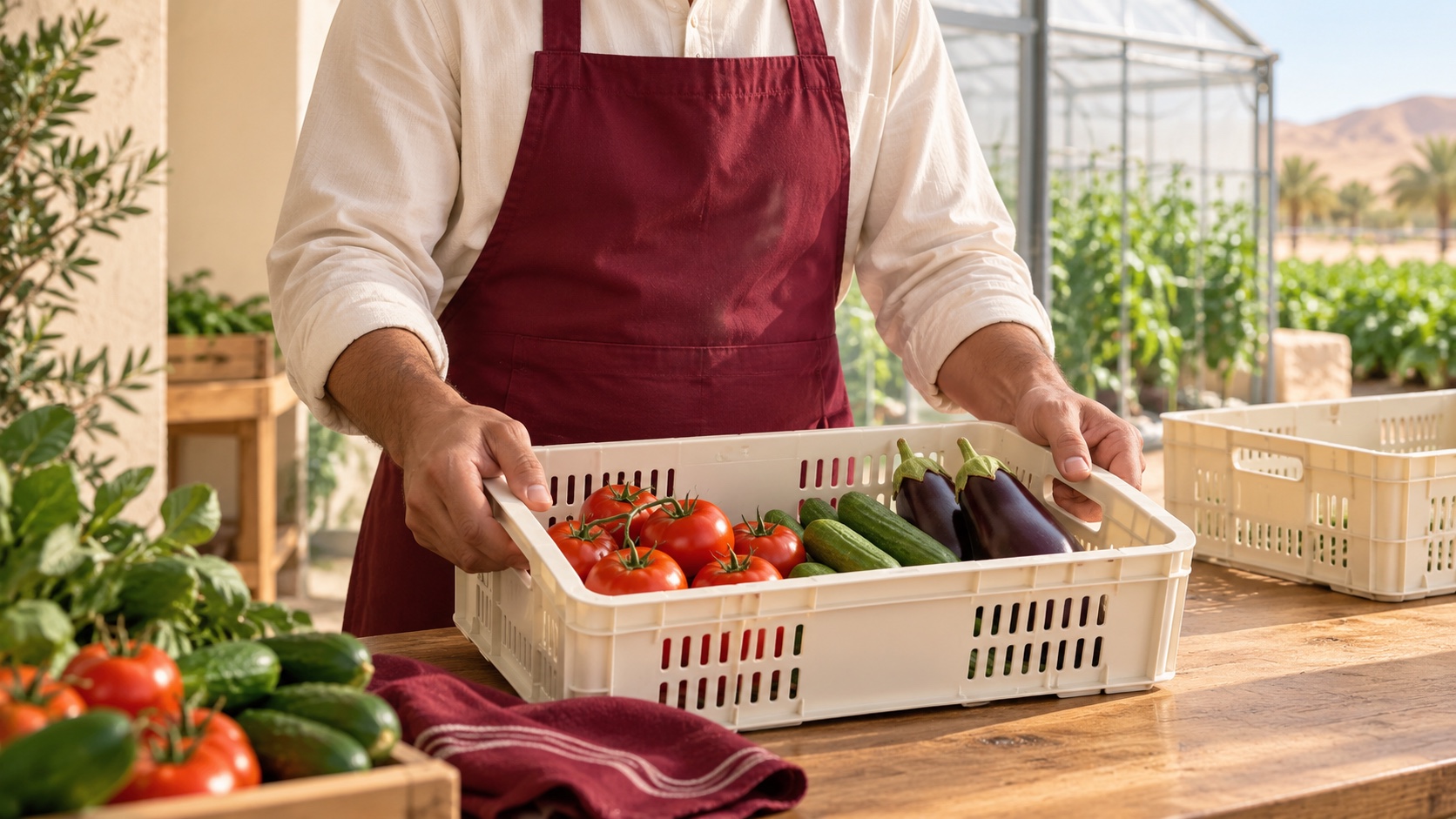
Al Ain farmers are the initial focus of a new digital-market partnership. In an announcement published on 2 October 2026, the Abu Dhabi Agriculture and Food Safety Authority (ADAFSA) said it had signed a memorandum of understanding with Talabat Mart to help local producers market their goods through the grocery platform.
The agreement is recent news about a route to market, with implementation still to follow. Its lasting interest lies in a practical question: what would help a local producer turn a digital listing into a useful, repeatable sales channel?
Support beyond a product listing
According to ADAFSA's original release, the planned support includes training in digital skills, pricing and product presentation, alongside marketing and dedicated product collections. Producers are also to receive demand insights and seasonal market analysis. The first phase will prioritise farmers and producers in Al Ain.
Those elements belong together. A photograph might help someone notice a product; clear presentation helps them understand what is being offered. Pricing and demand information address different decisions behind the listing. That combination is worth watching as the programme moves from agreement to practice.
What it could mean for the everyday shop
For a household planning lunches in Abu Dhabi or Dubai, a useful digital shelf would make the producer, product and available quantity easy to understand. That is an editorial yardstick for future implementation, rather than a description of features already launched under this agreement.
Consider the difference between noticing a local tomato once and choosing it again for next week's meals. Clear product information and a dependable way to order would make that second decision easier to assess. The question is how the planned channel works for repeat purchases, beyond the visibility of an announcement.
The next useful evidence
ADAFSA says Talabat Mart will supply periodic reports covering participation, orders and sales performance. The release does not report results from the new programme. It does not establish higher farmer incomes, cheaper groceries or reduced food waste.
Follow-up coverage should ask what producers actually experience: whether enquiries become completed orders, how the channel fits around their other buyers and which information helps them plan. These are questions to investigate, not benefits to assume. A market-access agreement becomes more informative when readers can see how it works through an ordinary growing and shopping cycle.
Source and editorial note
This original news perspective draws on ADAFSA's release, checked on 11 October 2026. The 2 October date is the announcement's publication date; the release does not separately date the signing. The cover is an AI-generated editorial illustration of produce packing, not a photograph of the agreement or its participants.
A good read is worth sharing.
Pass this story on to someone who would enjoy it.


The conversation 0
A thought, a question, a little food for thought. Join in — no account needed.
Loading the conversation…
Be the first to add a thought.