A coffee before the first meeting, a hurried lunch, then a trip across town: a UAE workday can move through several different settings before you notice what you have been drinking. The useful starting point is to look at those transitions. A morning at a desk and an afternoon doing physical work outdoors call for different plans.
For an ordinary office day, build a drink routine around moments you already recognise. For time spent working in heat, look beyond the bottle to the conditions around you. That distinction makes hydration advice more useful than a single target copied onto every calendar.
Coffee counts, but context matters
The NHS guide to water, drinks and hydration explains that tea and coffee contribute to daily fluid intake. It recommends caffeine in moderation, recognising that people differ in sensitivity. Water is a straightforward everyday choice; fluids also come from other drinks and food.
The same guidance describes daily drink amounts as a guide, with needs changing in circumstances such as hot weather, prolonged activity and illness. A cup beside your laptop is a useful cue, not a personalised calculation of everything your body needs. If you already have an individual drinking plan from your clinician, follow that plan.
You can enjoy a morning coffee without treating the rest of the day's drinks as an afterthought. Start by noticing the sequence: what you choose with breakfast, what is available during meetings and what you reach for with lunch.
Give your desk day three anchors
Try arranging your routine around arrival, lunch and leaving. These are organisational suggestions rather than a prescribed volume or timetable. Use them to discover where your current setup is inconvenient.
- On arrival: locate the drinking-water refill point before opening your inbox. Give your bottle or glass a regular place where it is easy to reach and unlikely to spill onto a keyboard.
- At lunch: decide on a drink while you decide on food. If you order a meal, check the beverage choice before checkout instead of accepting an automatic bundle.
- Before leaving: look at the next part of your day. Is it a short trip between buildings, a long outdoor task or a workout? Check the water access and setting before you go.
Make the setup fit your actual workplace. A shared office may suit a small refillable bottle; a meeting room may need a convenient place for glasses. You could add a refill reminder to an existing lunch note rather than creating another elaborate tracking system.
When the day moves into heat
A drink routine is only one part of managing hot-weather exposure. The World Health Organization's heat and health guidance advises regular water drinking alongside staying in the shade, spending time in a cool place and avoiding strenuous activity during the hottest part of the day. It also recommends following official heat warnings.
For a Dubai errand or an outdoor appointment, consider the route, timing and availability of a cool place as well as what you carry. Having water with you does not make prolonged heat exposure safe. Read heat-specific advice in its intended context rather than applying it as a universal office-day prescription.
Outdoor work needs a workplace plan
The WHO explanation of workplace heat stress makes clear that hot indoor workplaces can also pose risks. It recommends occupational heat-action programmes with plans tailored to local weather, specific jobs and worker vulnerabilities, alongside education for employers and workers.
For a long outdoor task or work in a hot environment, ask the responsible workplace contact about the heat plan before starting. Where can you cool down? How is drinking water made accessible? Who should you contact if someone becomes unwell? Treat these as questions for the workplace plan, with arrangements suited to the job and conditions.
Make the ordinary drink worth choosing
For a lunch at home, put the drink setup on the table before finishing the food. Try plain water in a comfortable glass, or serve it with a little lemon for flavour. You might prefer still water with a richly spiced meal and sparkling water with a simple sandwich. Choose by taste rather than giving either option a special wellness story.
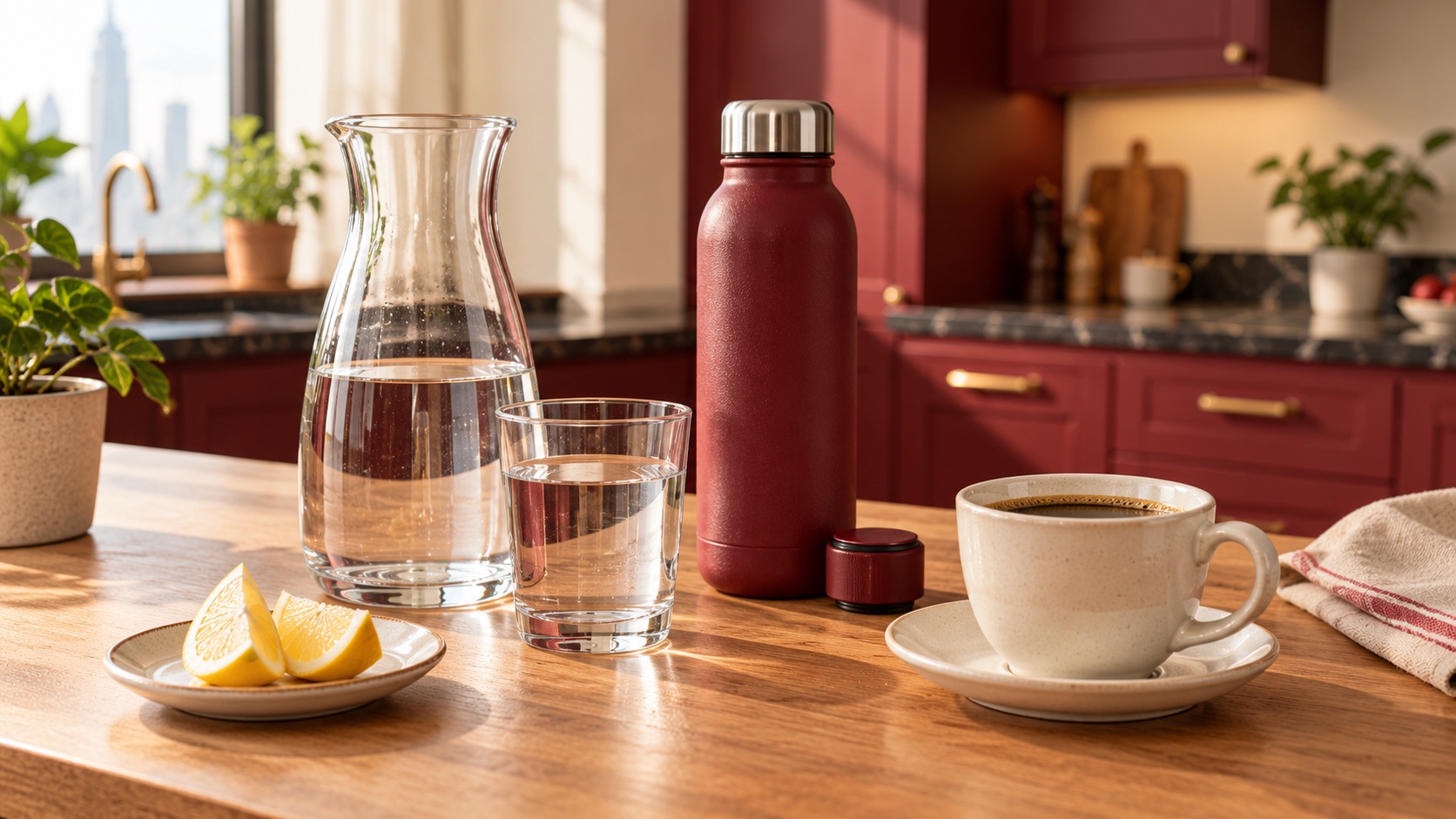
A small serving tray can make this practical: a carafe, glasses and a plate for lemon wedges, kept within reach of everyone eating. If you prefer tea with lunch, choose a cup you enjoy using and leave space on the table for it. The point is a pleasant, usable arrangement, not a photograph you have to recreate perfectly.
For takeaway days, keep a favourite drink choice in the same note as your regular meal order. If a menu has a drink you would rather choose differently, make that decision once and reuse it next time. Convenience is something you can design into the routine.
A small experiment for tomorrow
Choose one awkward moment to improve: water that is out of reach, a lunch order you never review or an outdoor appointment you prepare for too late. Change that part, then see whether the new arrangement suits your day. Keep the useful distinction in view: a desk routine can make drinks easier to organise, while heat exposure calls for attention to the whole environment.
Sources and editorial note
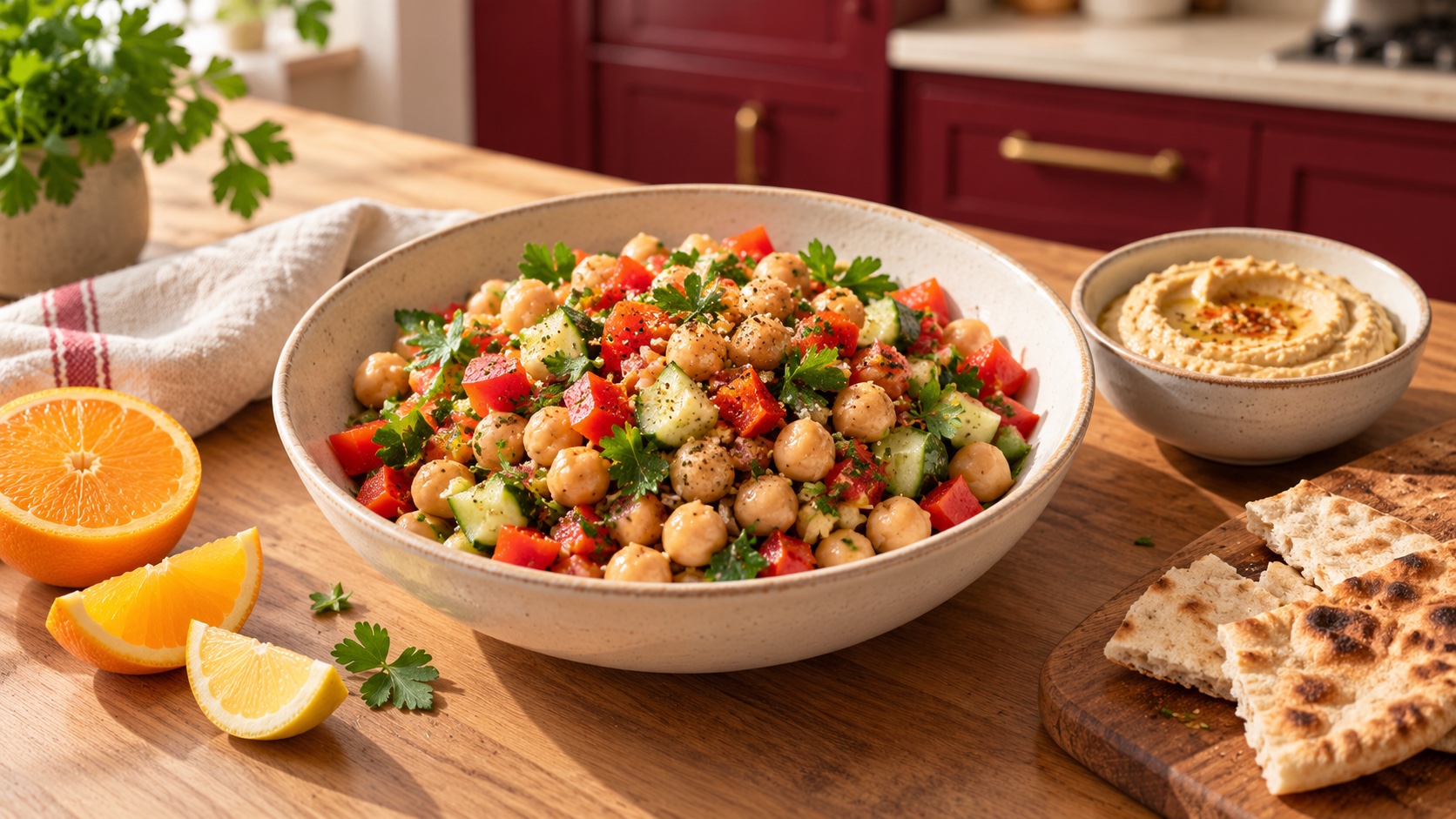
This AI-assisted educational article uses official NHS and WHO guidance, checked on 11 October 2026 and linked beside the relevant claims. General office-day suggestions are distinct from occupational heat guidance. The cover is an AI-generated editorial illustration created using all three HAS Meal homepage hero photos as style references.
A good read is worth sharing.
Pass this story on to someone who would enjoy it.
The conversation 0
A thought, a question, a little food for thought. Join in — no account needed.
Loading the conversation…
Be the first to add a thought.